
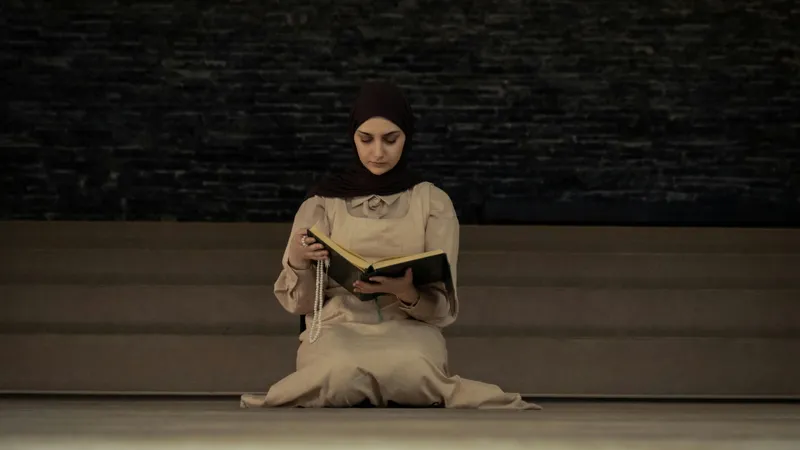
The hijab is one of the most recognised yet most debated pieces of clothing in the modern world. For many Muslim women, it is far more than fabric — it is a conscious choice, a religious duty, a cultural tradition, or even a personal statement. To understand why Muslim women wear the hijab, it is important to look beyond stereotypes and hear the voices of those who live by it.
A Religious Obligation
For countless women, the hijab is first and foremost an act of obedience to God. The Qur’an mentions modest dress in several verses, urging both men and women to preserve their dignity. Words like khimar (head covering) and jilbab (outer garment) are used, and scholars have long debated their precise interpretation. But the underlying principle is clear: modesty is a shared value, not only a female expectation. For women, the hijab is a visible sign of this commitment — a way of fulfilling a spiritual responsibility.
Cultural Traditions and Family Heritage
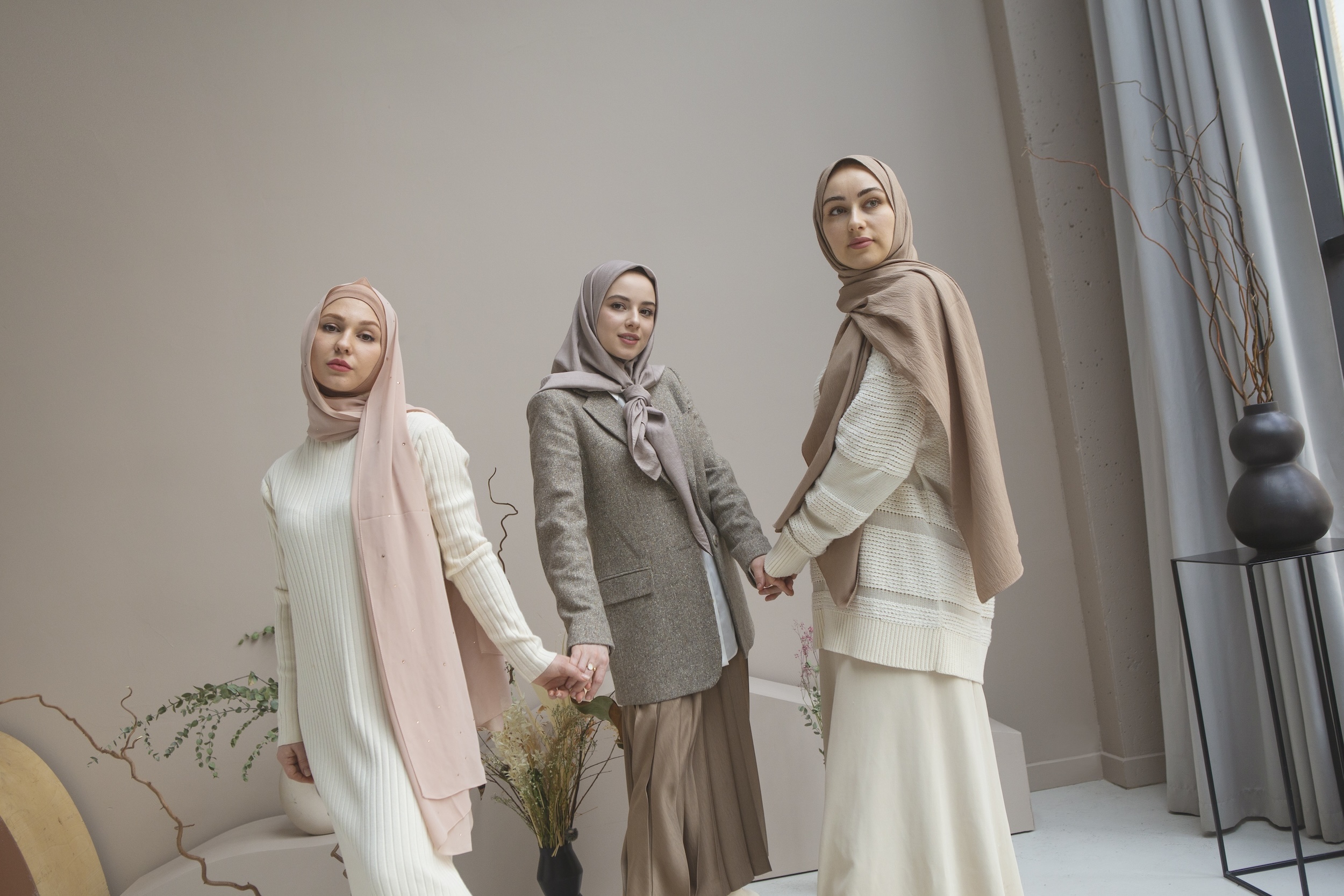
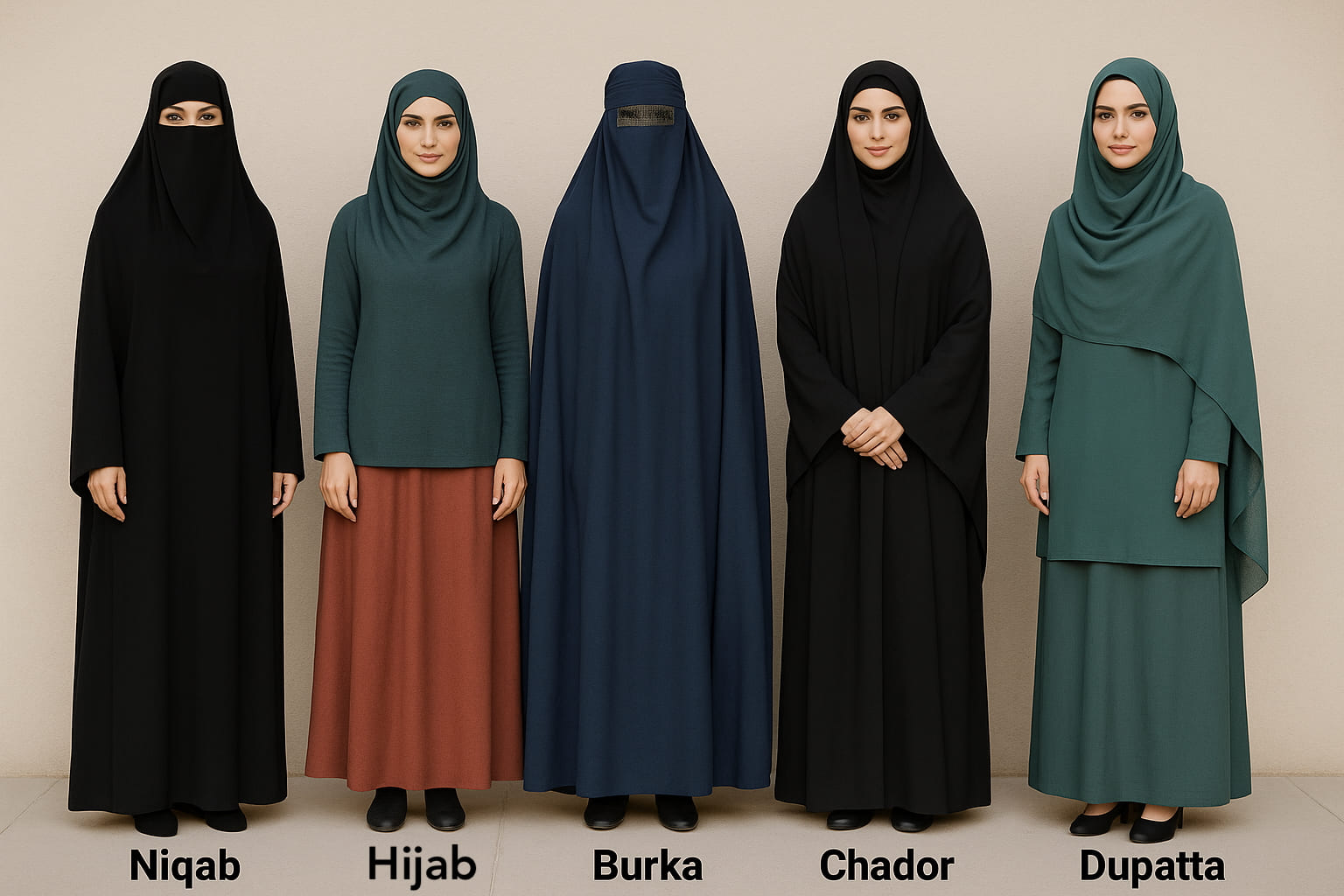
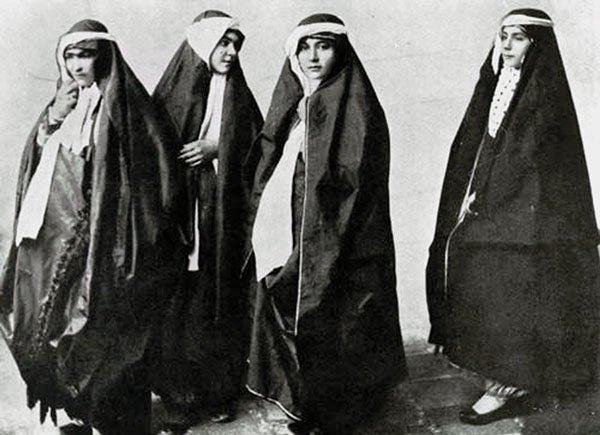
At the same time, hijab is deeply embedded in culture. Across the Muslim world, styles differ dramatically: the Turkish silk scarf, the Indonesian layered hijab, the Gulf’s elegant abaya with matching shayla. In rural Morocco, the traditional haik still survives, while in South Asia, the dupatta often takes the role of a head covering. This variety shows that the hijab is not one rigid uniform but a living cultural garment. Families often pass down styles, fabrics, or even the very scarves themselves, connecting generations of women through shared practice.
A Means of Protection and Freedom
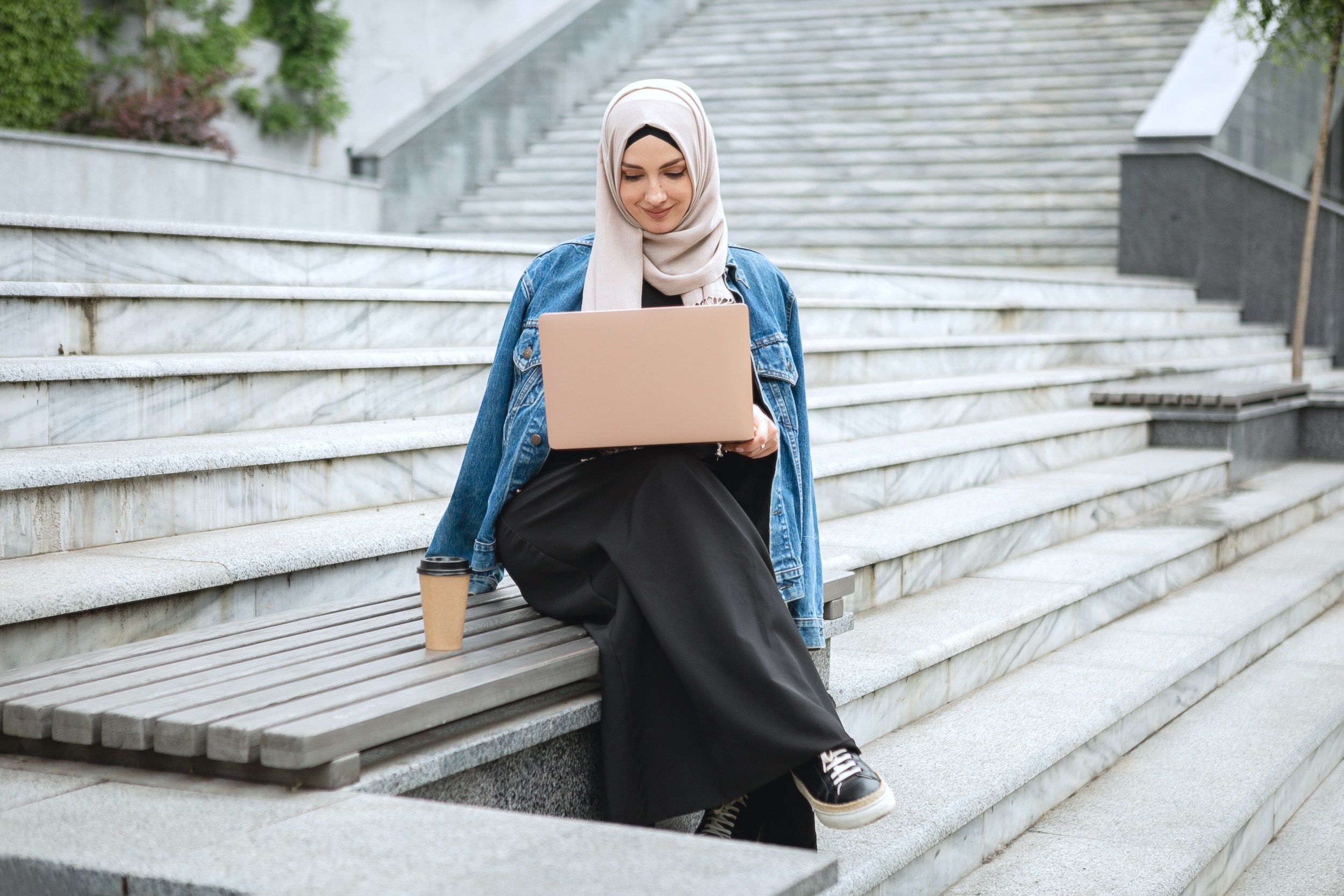
Paradoxically, the hijab has often provided both boundaries and freedoms. In conservative societies, covering has allowed women to study, work, and participate in public life without facing accusations of immodesty. Many women describe it as a shield that protects them from unwanted attention, giving them the confidence to walk in crowded streets, travel, or attend university. What may appear restrictive to outsiders can, in practice, feel like liberation for those who embrace it.
A Symbol of Identity
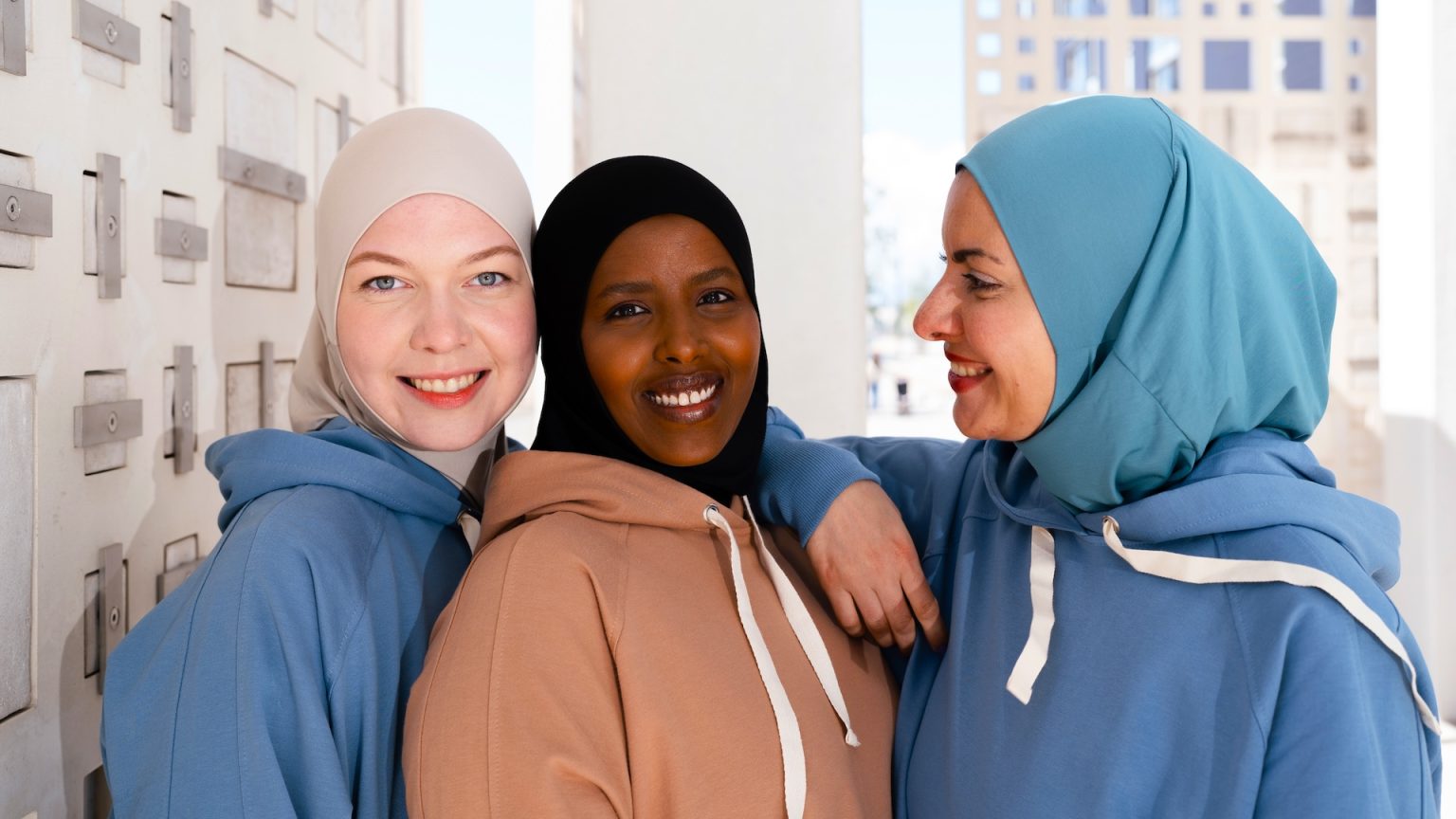
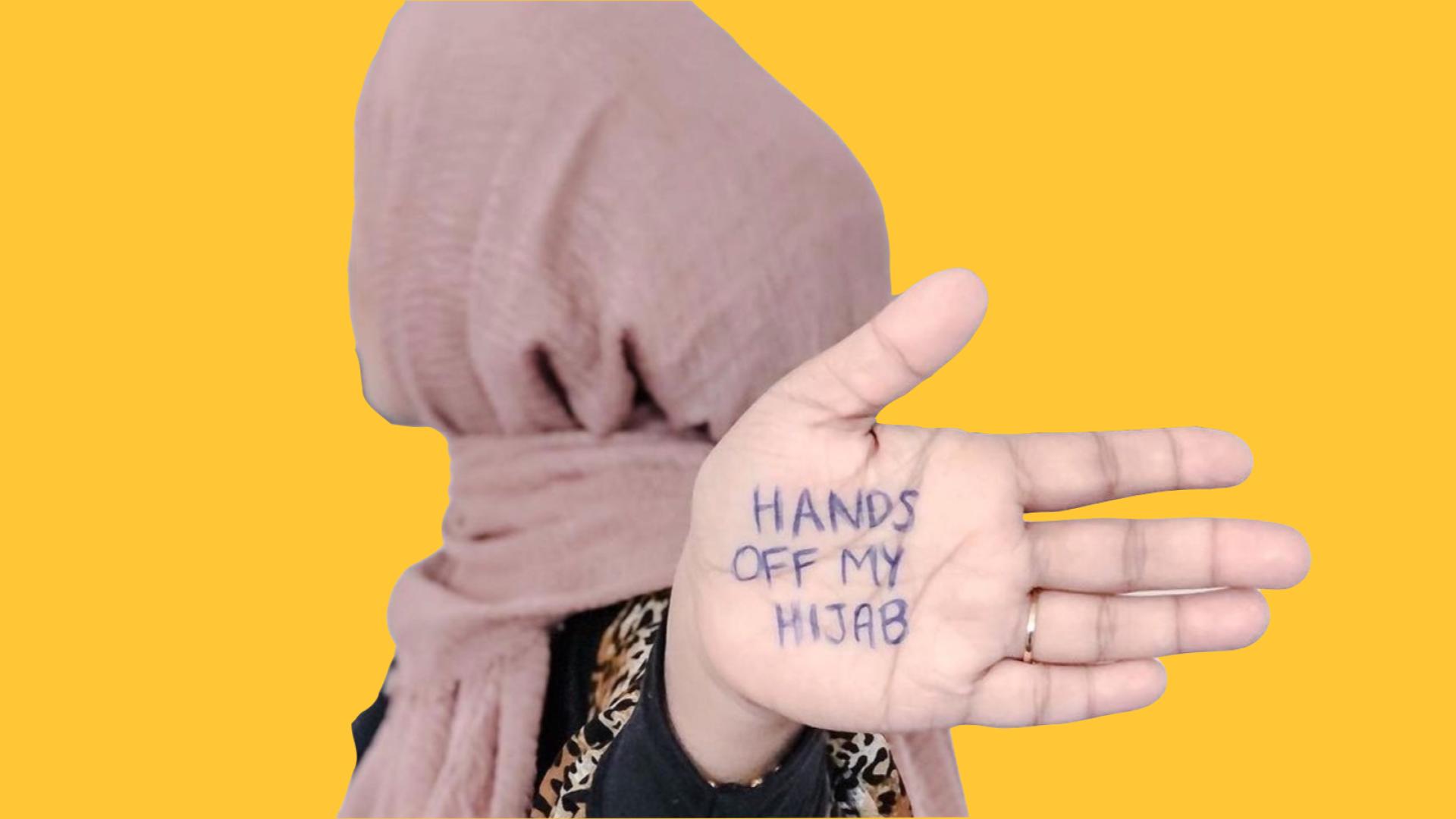
n Europe, the United States, and other countries, the hijab has become a powerful symbol of identity. Public debates often portray it as something imposed, a restriction on women’s freedom of choice. Yet Muslim women themselves increasingly prove the opposite: for the majority, wearing the hijab is a personal and deliberate decision, an expression of faith, dignity, and belonging to their culture. At school, in the workplace, or online, the hijab does not represent submission but rather a statement of independence and self-respect.
Modern Interpretations
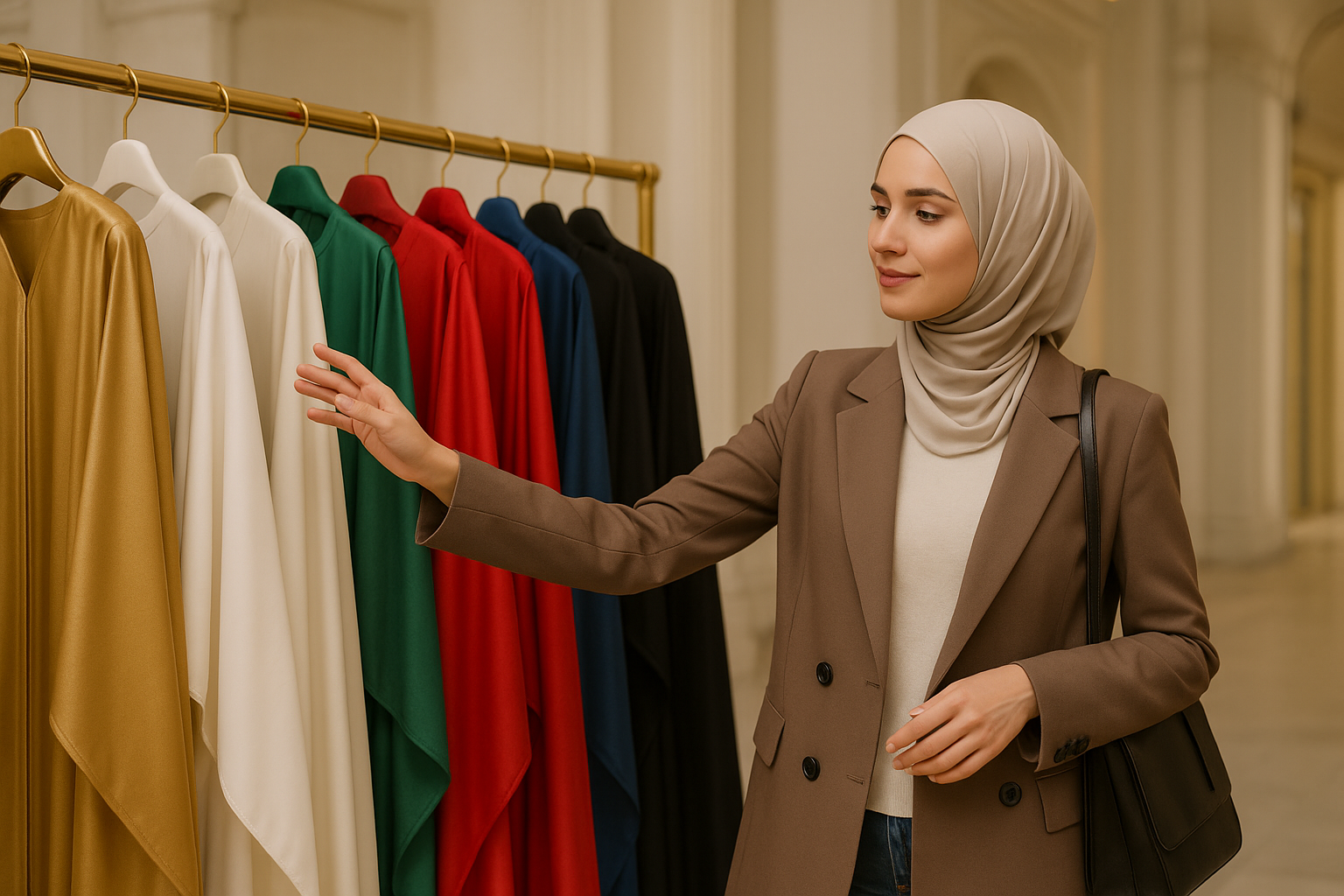
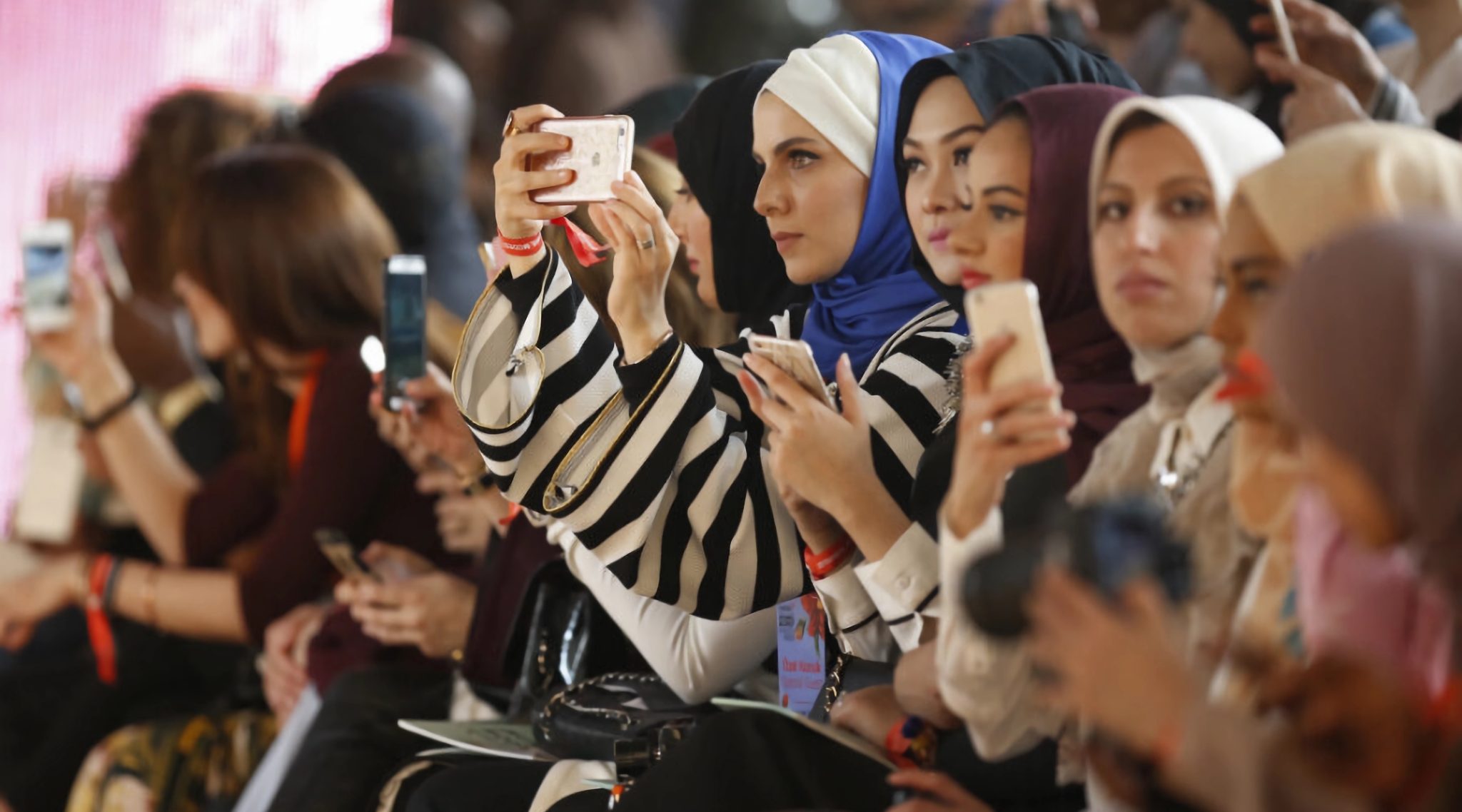
Today, hijab is part of a global conversation about faith, feminism, and freedom. Social media has given rise to new styles — from sports hijabs designed for athletes to high-fashion pieces on runways in London and Dubai. While some critics argue that hijab is forced, many women insist the opposite: that it is their free choice, one that reflects inner conviction rather than external compulsion. Designers and brands now create collections that combine modesty with contemporary aesthetics, proving that faith and fashion are not mutually exclusive.
More Than Fabric
Ultimately, Muslim women wear the hijab for reasons as diverse as they are themselves. For one it is an act of worship, for another a family tradition, for yet another a bold expression of independence. What unites these perspectives is the recognition that hijab is not “just a scarf.” It is a symbol filled with meaning — a reminder of dignity, modesty, identity, and faith.
The hijab continues to spark global debates, but for the women who wear it, the reasons are deeply personal. In every thread lies a story — of faith, of resilience, of culture, and of the ongoing right to define oneself.