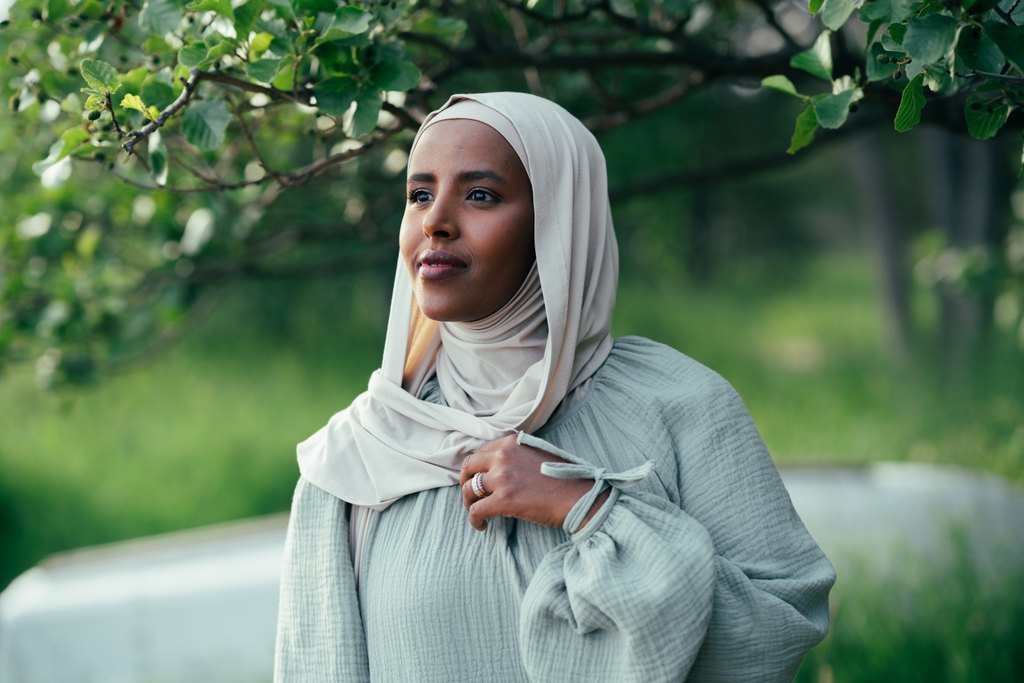
3. Street Style and Muslim Youth
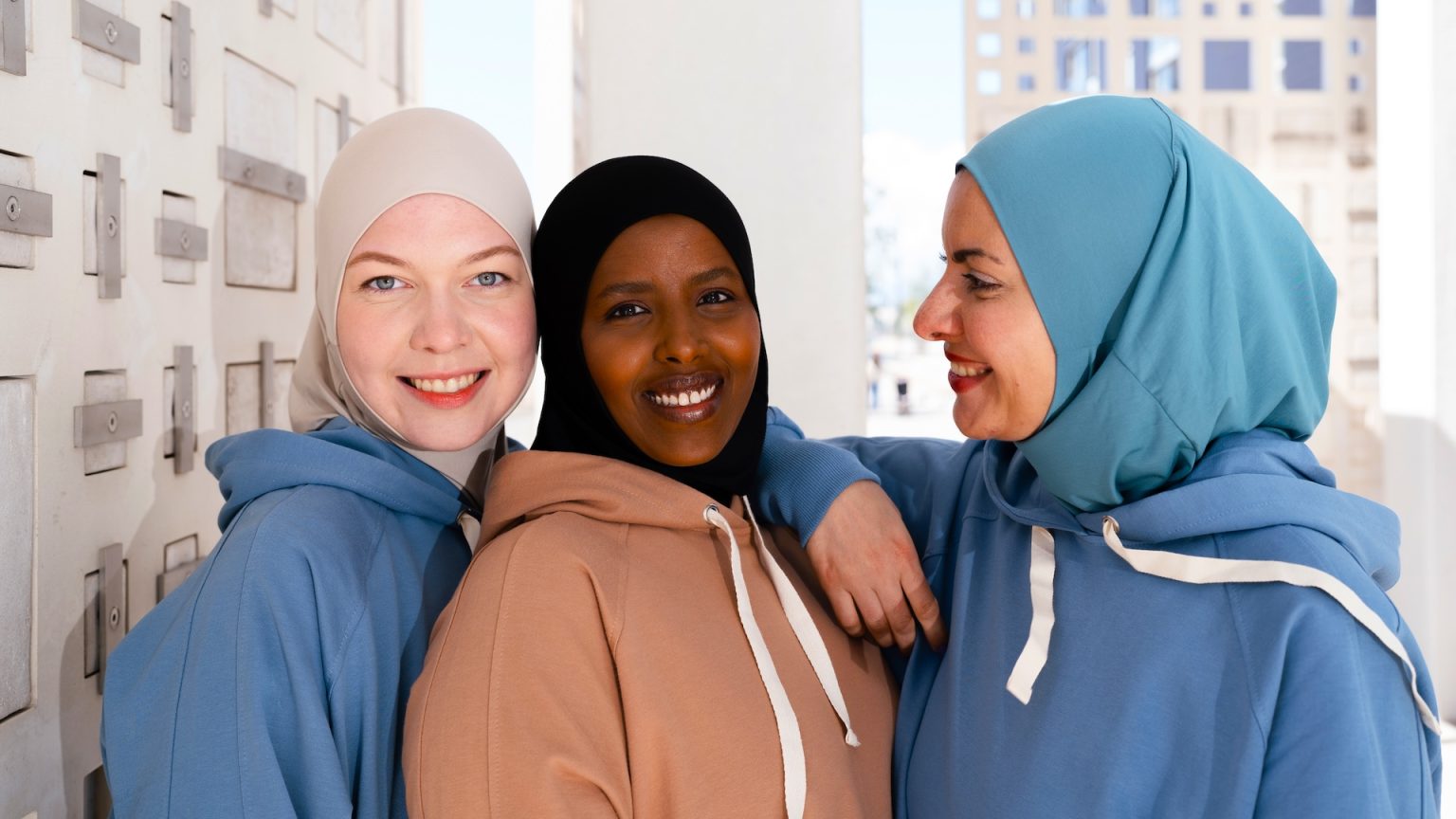
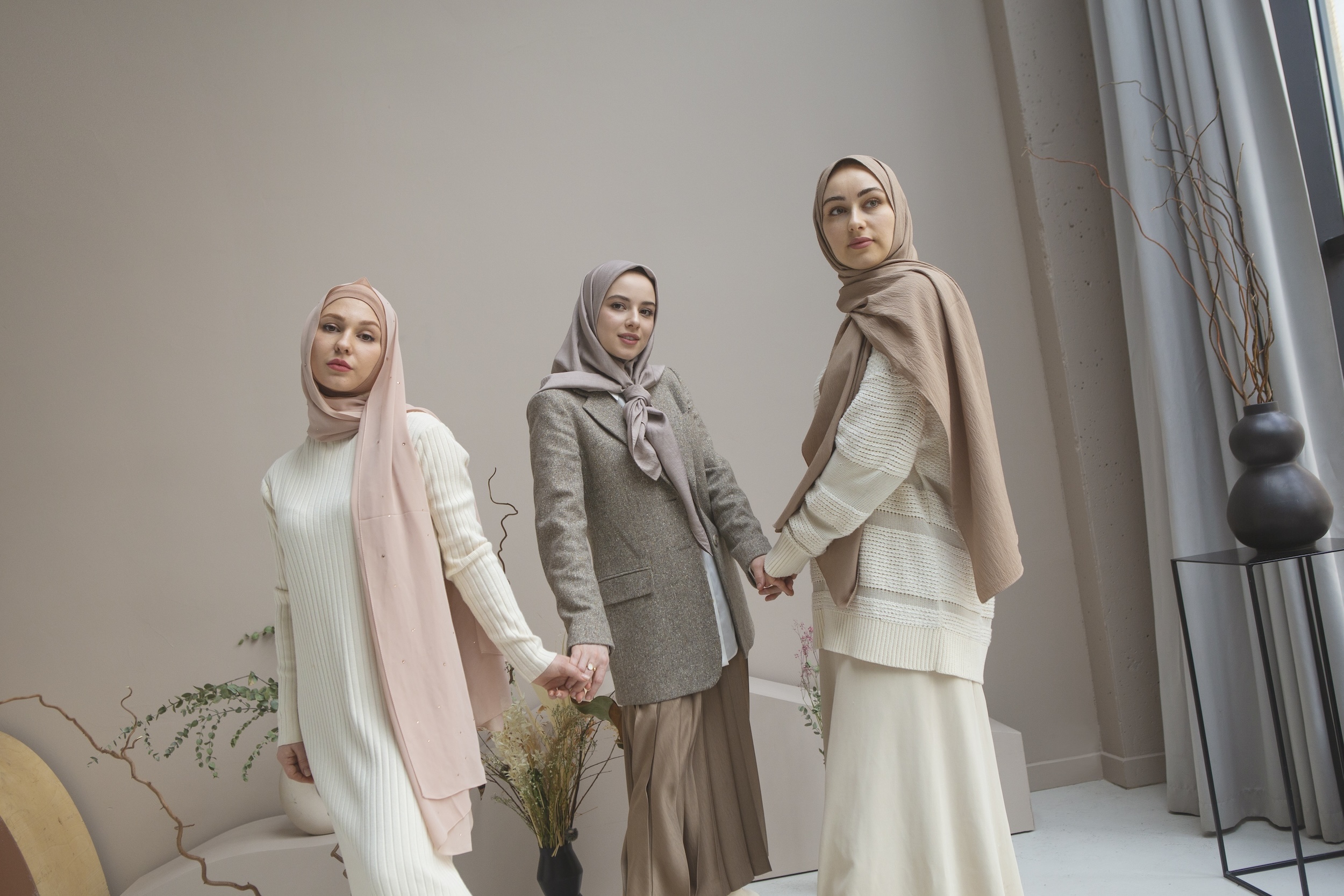
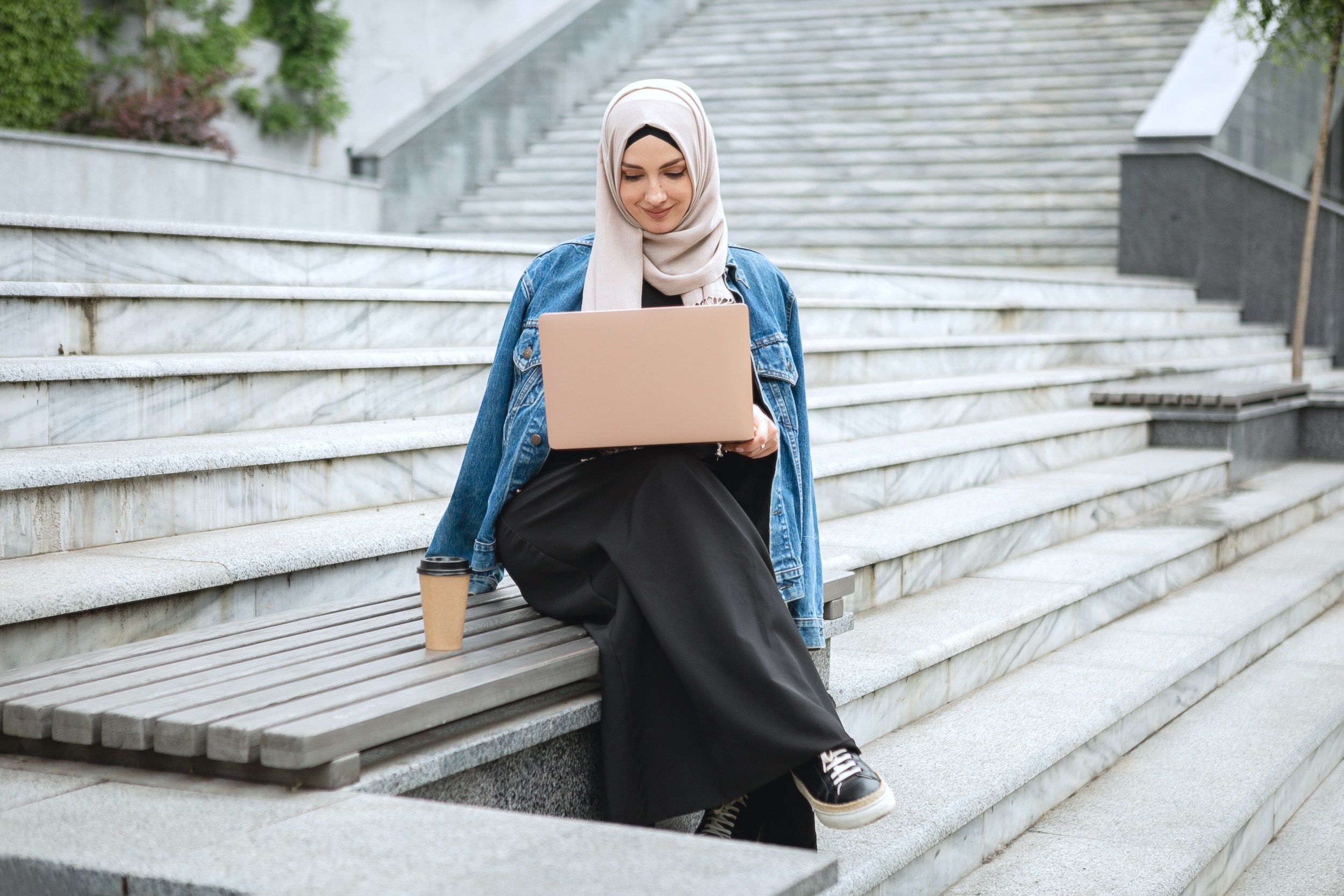
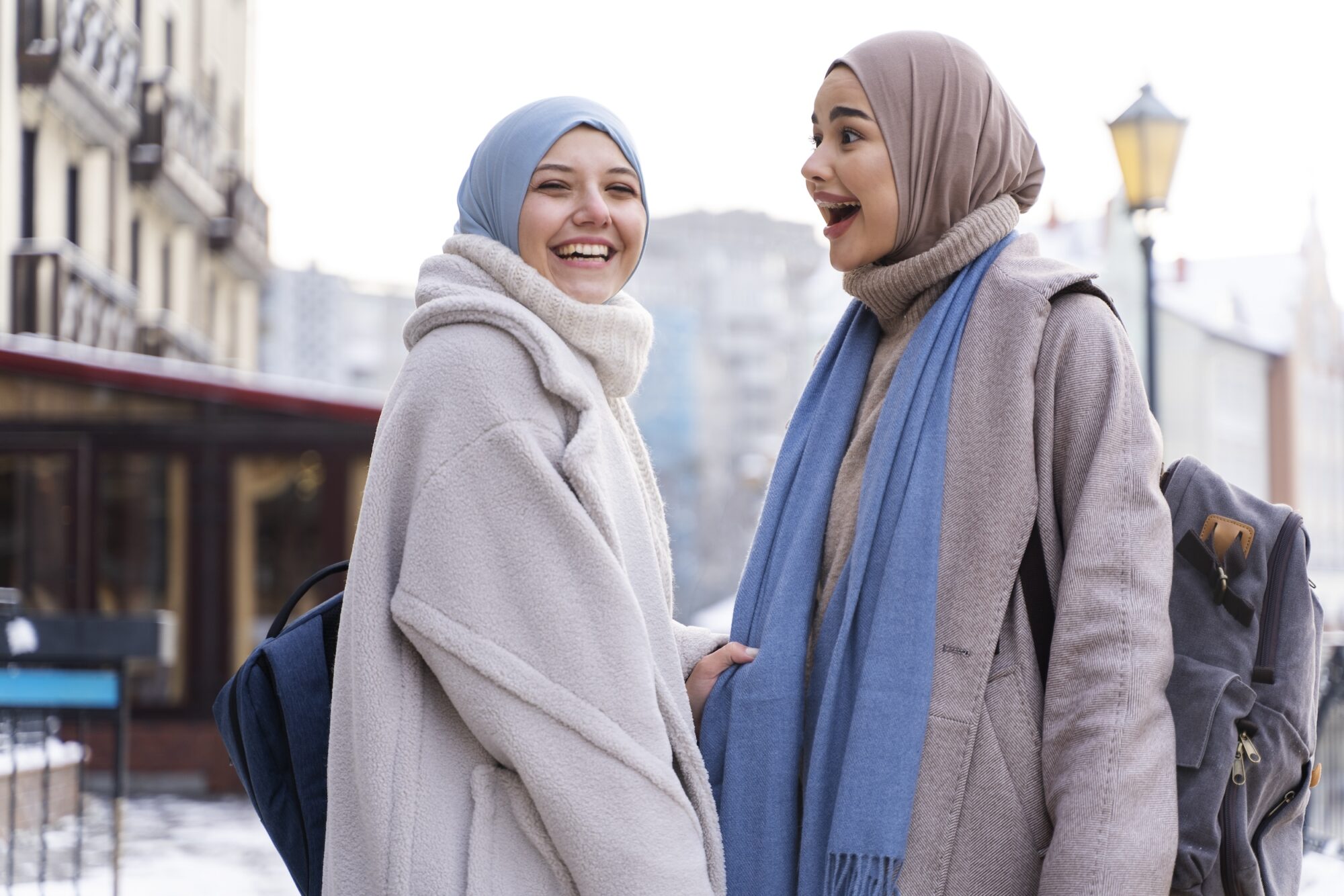
Muslim youth are also influencing street fashion. Their unique styles include bold hijabs, layered outfits, and standout accessories. This streetwear fuses modesty with comfort and individuality, offering a fresh take on urban fashion.
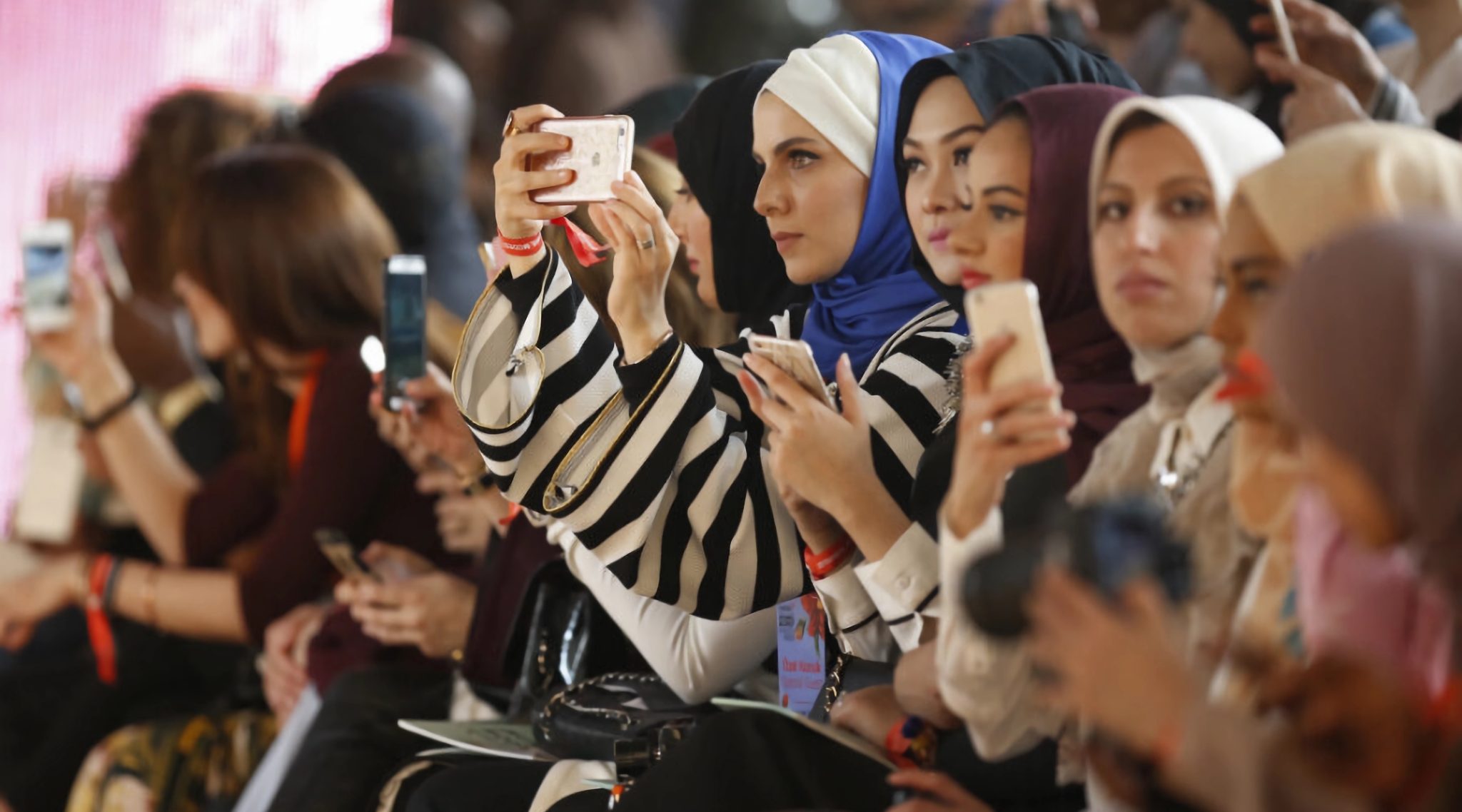
These looks are regularly featured in fashion magazines, street style blogs, and coverage from international fashion weeks. Muslim fashion is no longer seen as niche — it’s becoming part of the global trend conversation.
4. Ethics and Sustainability
Muslim youth place strong emphasis on ethics and sustainability in fashion. They support local brands, inquire about the origins of materials, and care about fair labor practices. Increasingly, young shoppers seek halal-certified clothing, natural fabrics, and ethical production.
This mindset is helping to shift the broader fashion world away from fast fashion and toward conscious, respectful consumption.
5. Modern Interpretations of Tradition
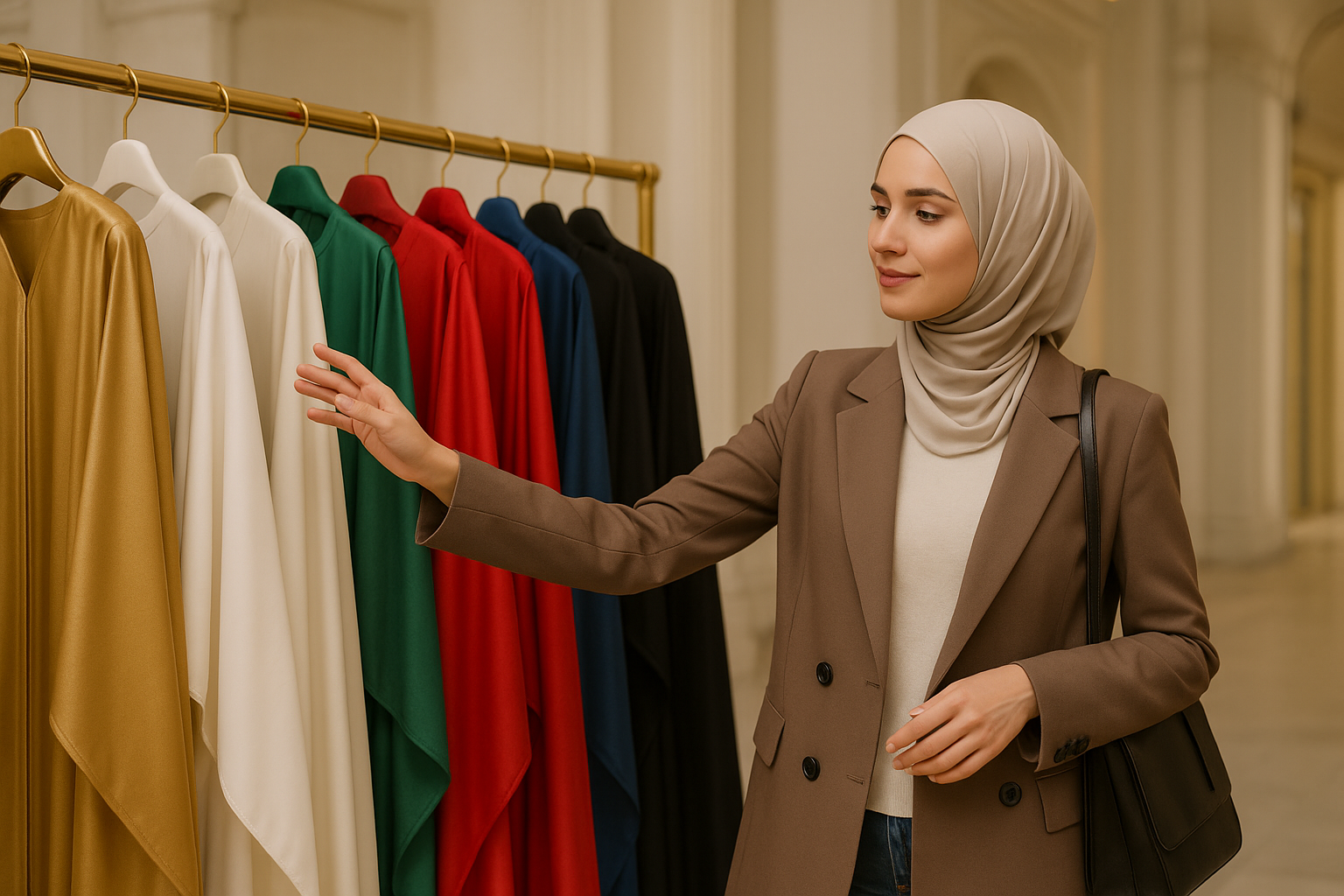
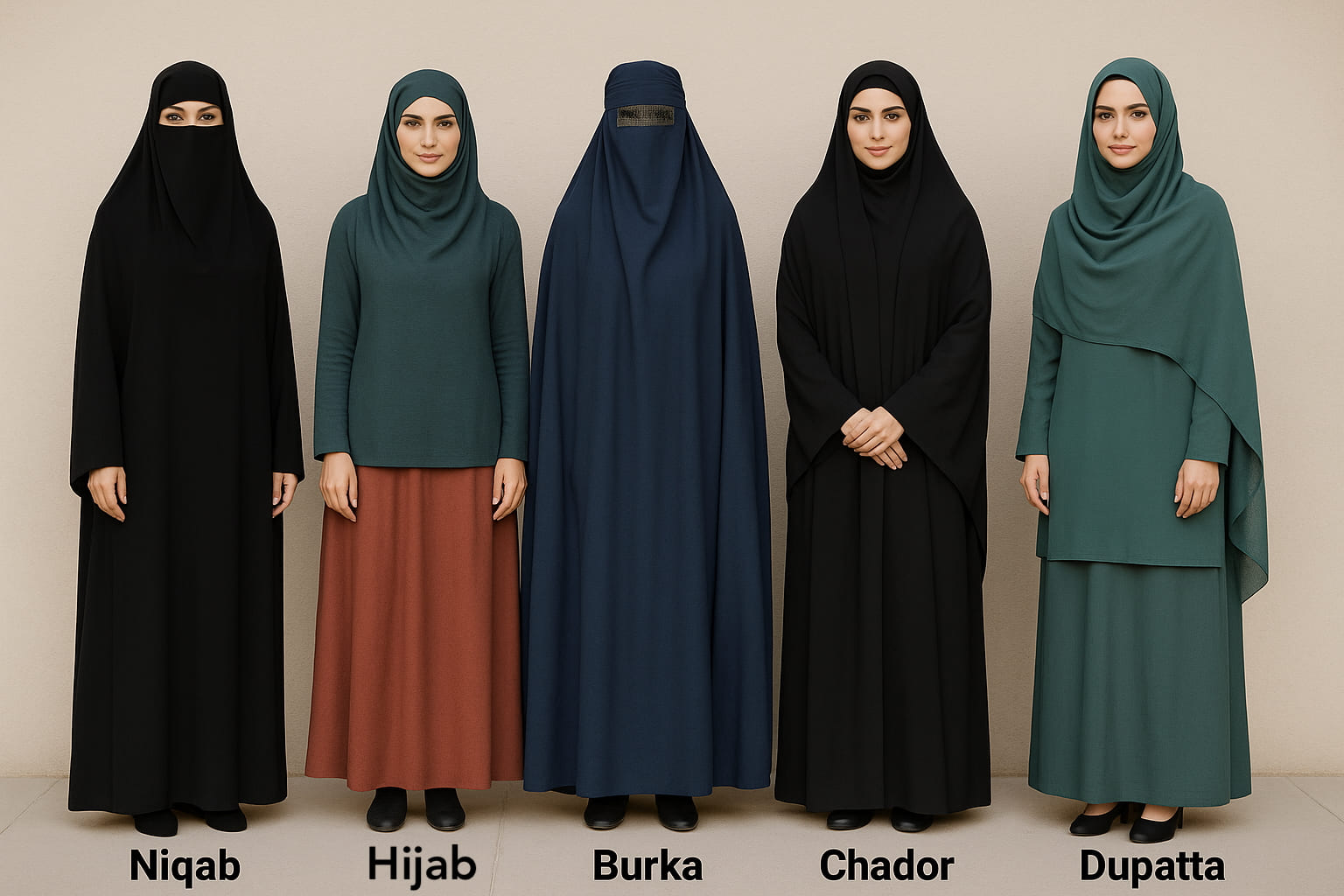
Young Muslims are reimagining traditional clothing. They reinvent classic silhouettes — hijabs, abayas, sultans, shalwars — adding new colors, textures, and personal touches. The result is a fashion dialogue between past and present, between heritage and creativity.
Muslim youth are actively reshaping the global fashion scene, adding cultural diversity, relevance, and purpose. Through fashion activism, sustainability, and a fresh creative vision, they have become essential voices in the modern fashion industry — not at the margins, but at the center of its evolution.


 13Oct
13Oct