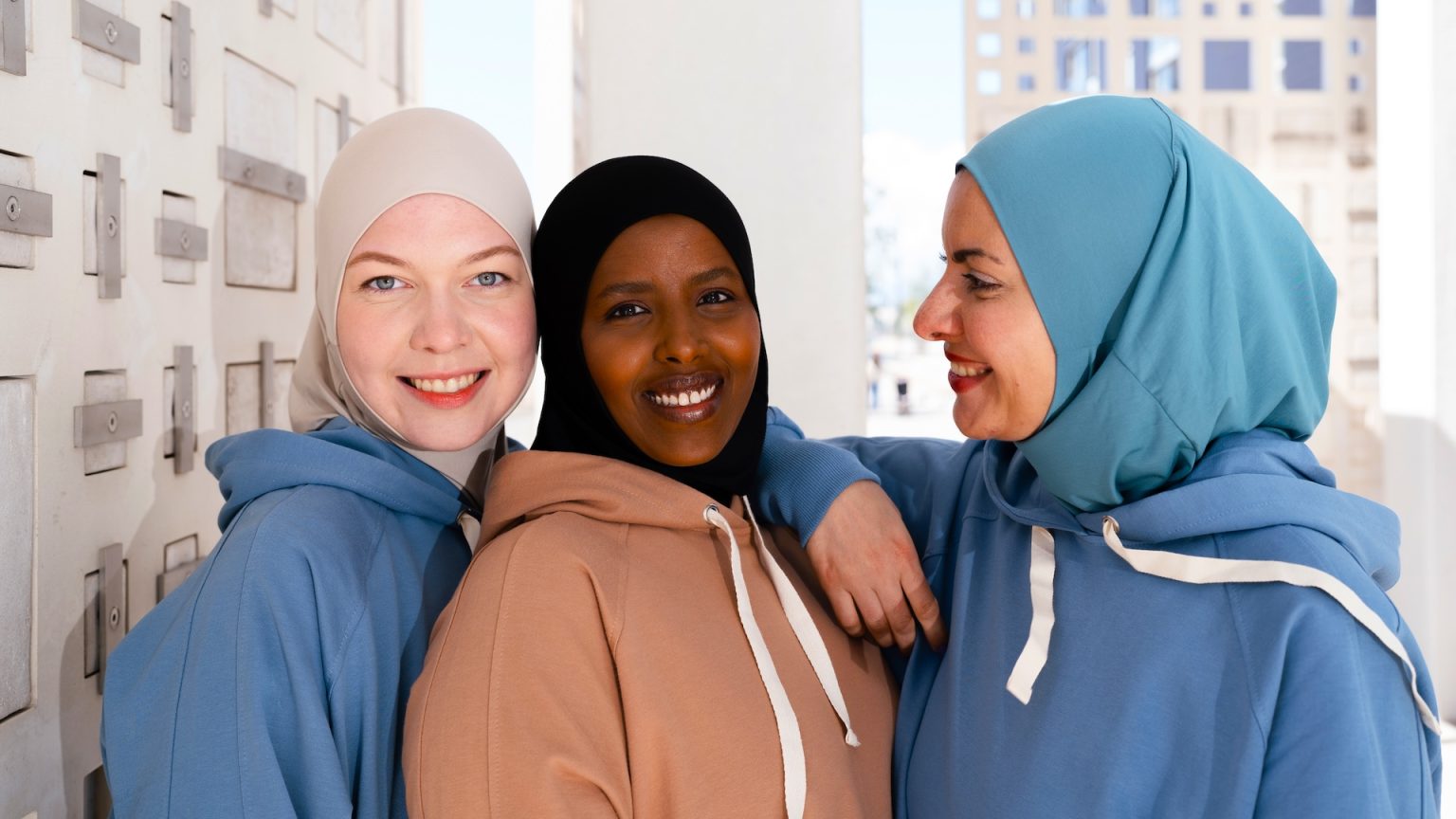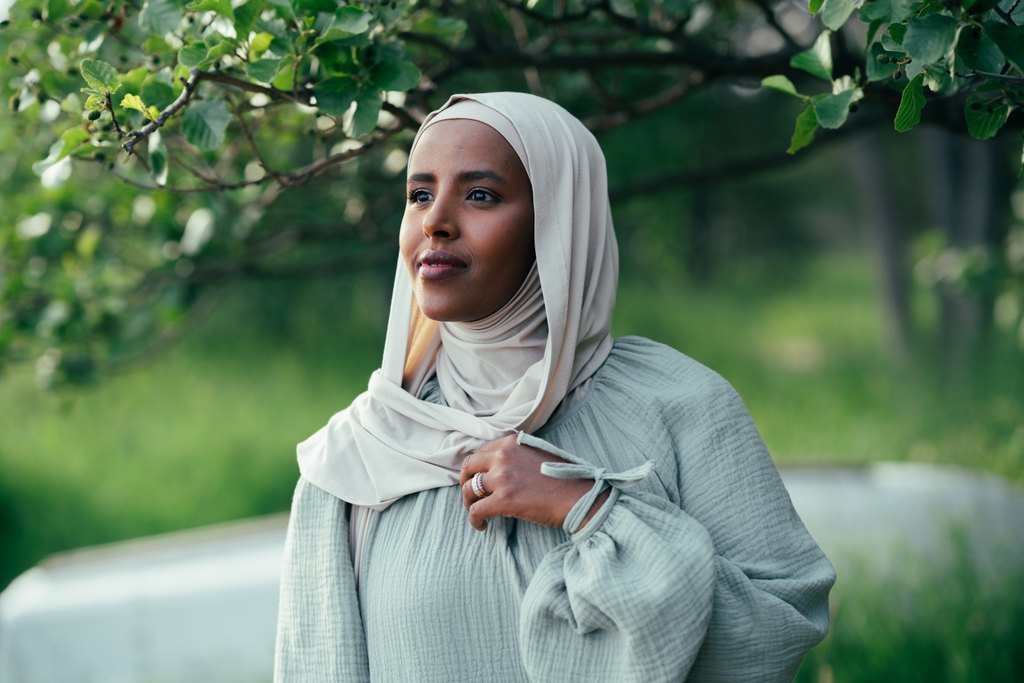
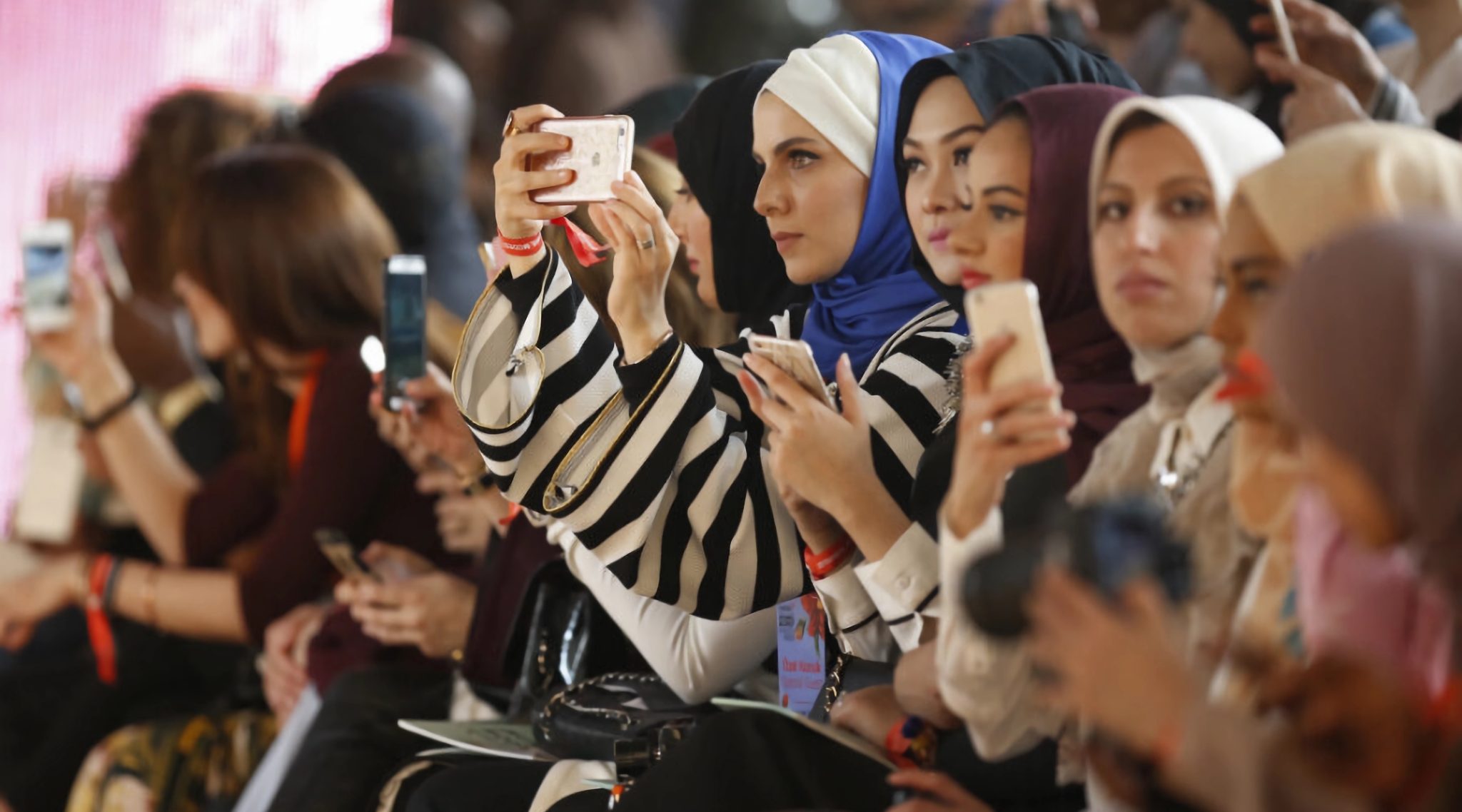

The ability to dress with style has nothing to do with age, clothing size, height — and certainly not with religion. Style isn’t a thing you buy. It’s a sense of balance, freedom, and self-respect that lives within. Something that can’t be faked.
Islamic culture remains a mystery to many. But in that mystery lies beauty. Long dresses, flowing fabrics, modest silhouettes — they don’t hide femininity, they suggest it. They speak softly but with clarity. Eastern fashion doesn’t compete for attention. It captivates by being different — and by staying true to itself.
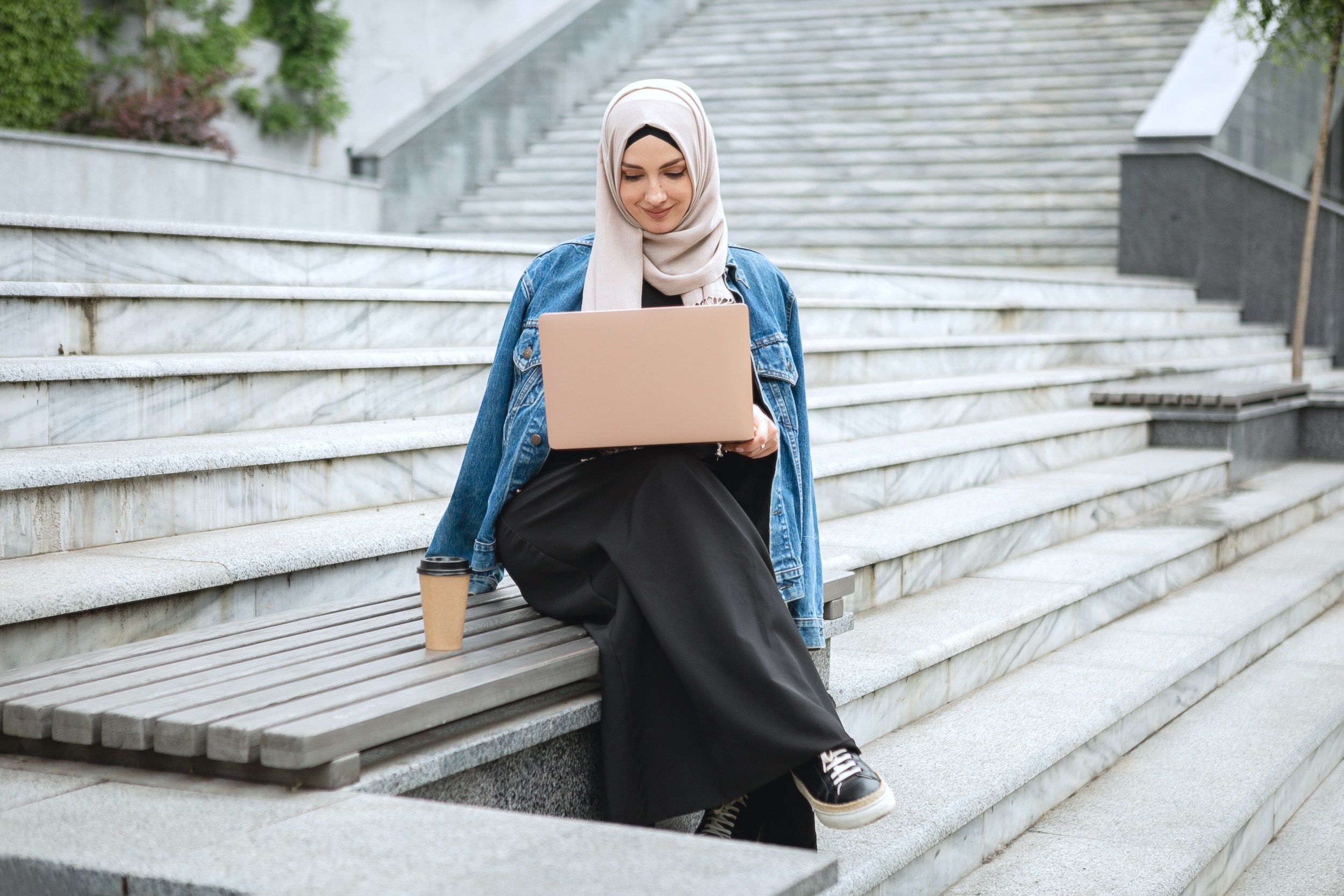
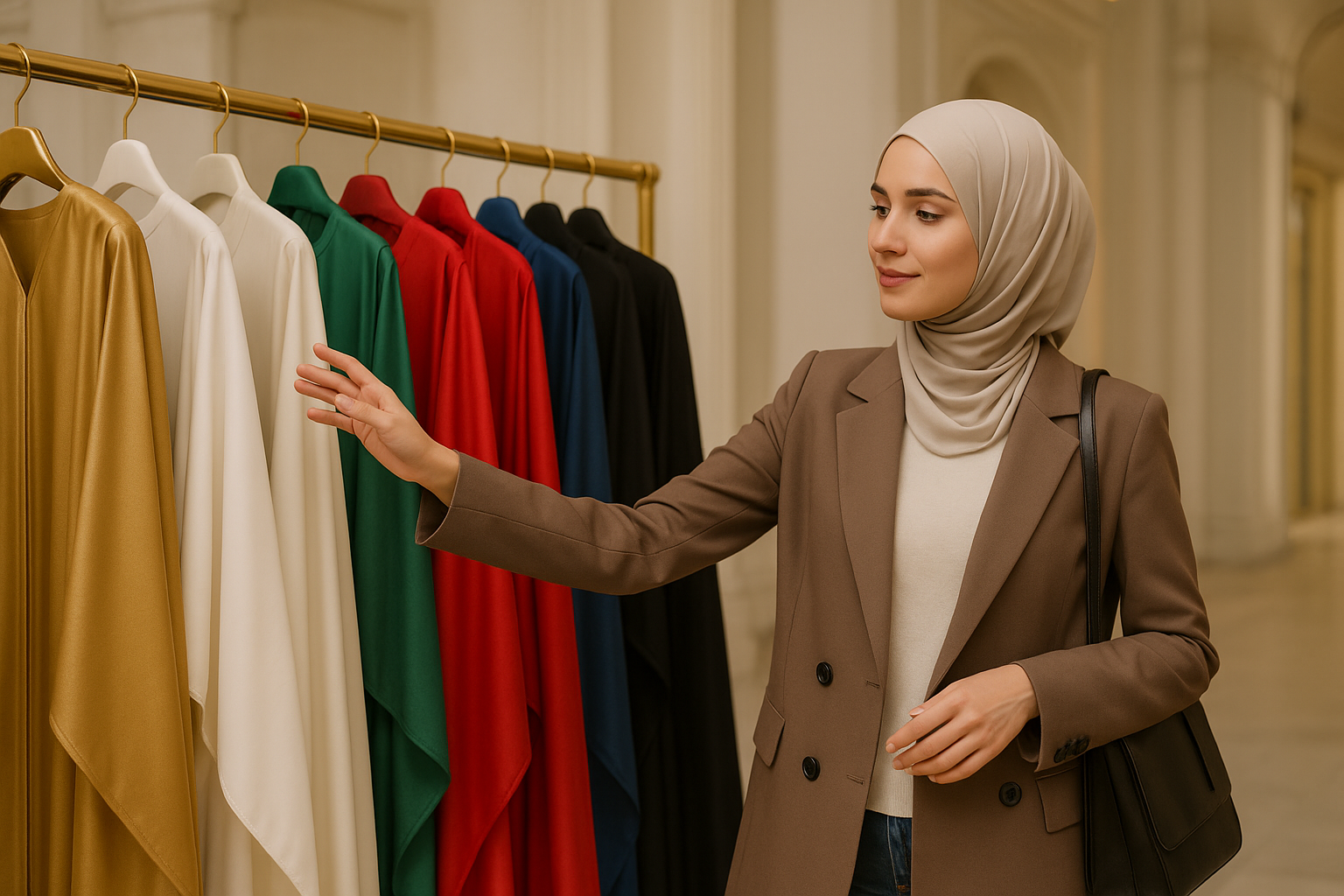
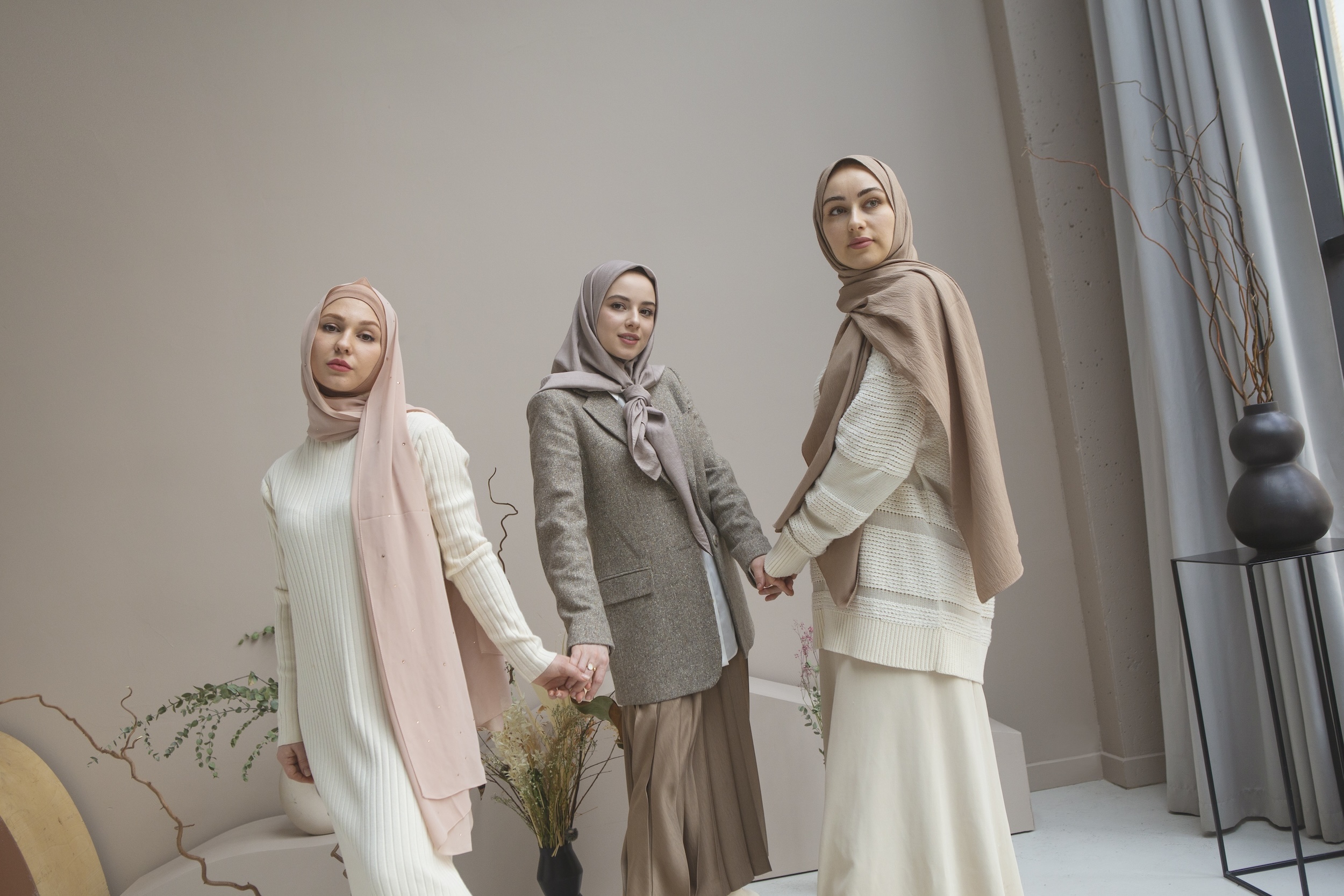
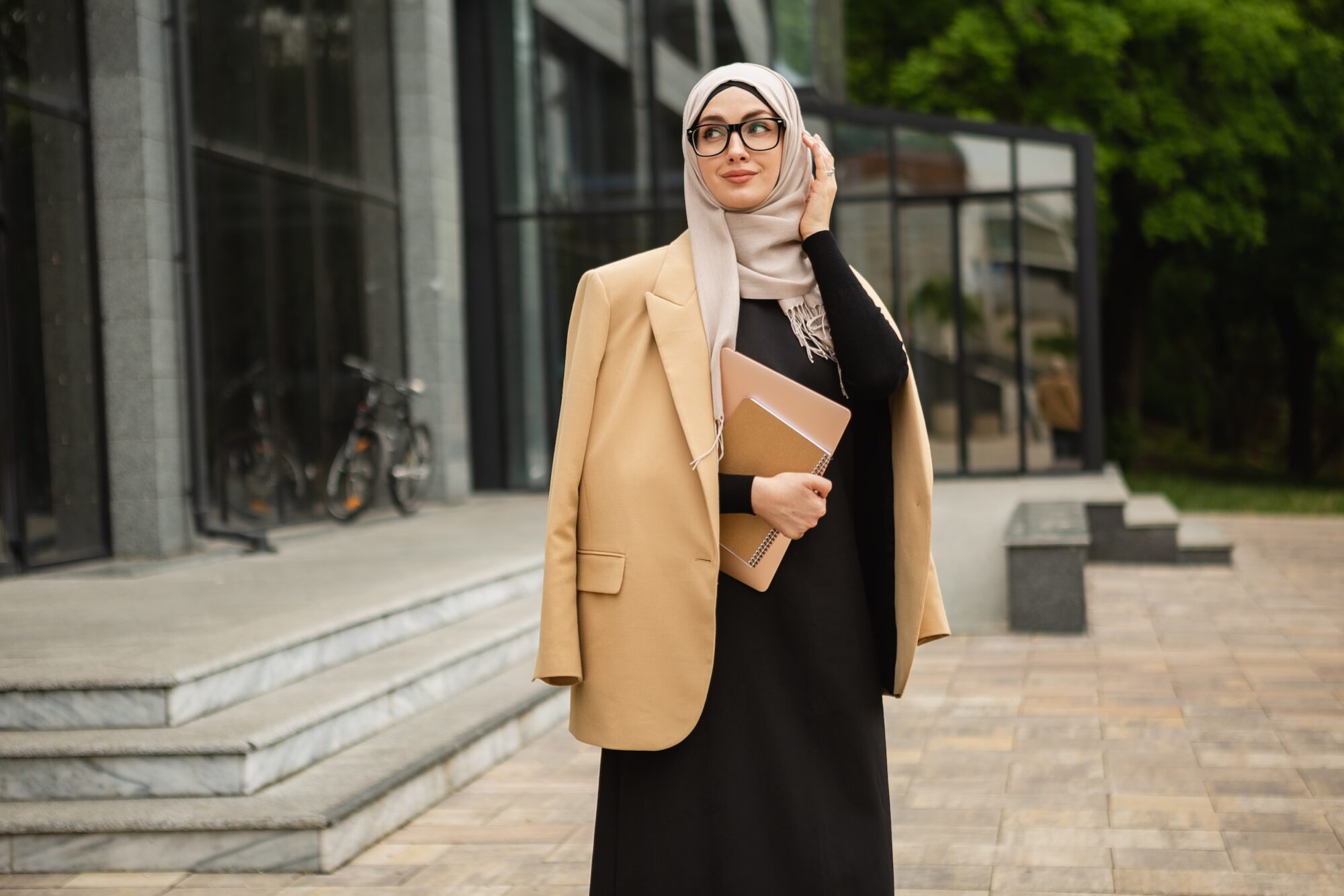
More and more fashion brands are creating beautiful, modern collections tailored to Muslim women. Today, a Muslim woman has a world of choice: soft pastels and deep, rich tones, shirt-dresses and layered jumpsuits, trench coats, sneakers, mirrored sunglasses, minimalist handbags. Everything you might find in the wardrobe of any city girl. But there’s one thing that transforms each outfit into something personal — the hijab. Carefully chosen, elegantly worn, it completes the look like a signature. Western fashionistas have taken note — for years now they’ve been drawing inspiration from Muslim women, experimenting with turbans and head wraps, adding a subtle Eastern accent to their style.
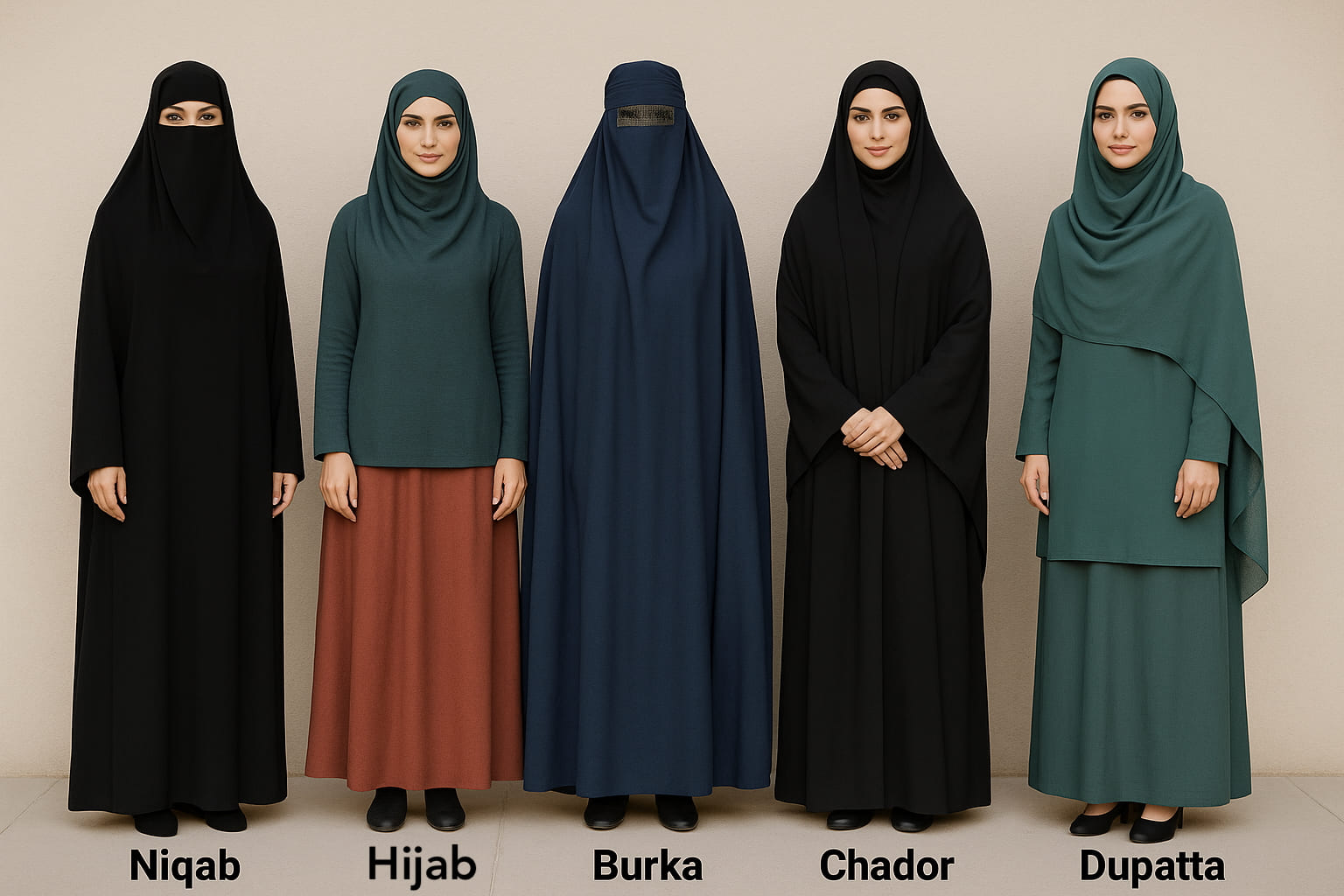
The defining feature of Muslim dress is coverage. The body remains concealed; only the face and hands are shown. But modesty doesn’t mean drabness or dullness. Quite the opposite — it’s where calm, harmony, and intention meet. Even earrings, if long, are tucked beneath a scarf. Not because they’re forbidden — but because it’s simply beautiful that way. Modesty isn’t a punishment. It’s an aesthetic. That’s why bold accessories, glittering stones, chains and metals are gently set aside. In this world of style, nothing distracts from essence.
One important conversation centers on menswear-inspired clothing. In traditional Muslim families, it is not permitted for a woman to imitate male dress. This doesn’t only refer to trousers — it includes garments that deliberately echo a masculine image: oversized shirts, boxy blazers, T-shirts cut like men’s. But this doesn’t mean women can’t wear tailored shirts or jackets — as long as they are clearly designed for women, enhance femininity, and don’t blur the lines between genders. It’s not about banning specific garments — it’s about preserving the message behind the outfit. And that message holds even within the home. Even in private. Femininity isn’t a role to play. It’s a quiet truth that shows itself in how a woman dresses — even for the person closest to her.
And in this clothing, there is comfort. The fabrics move with you. Loose dresses and flowing skirts allow the body to breathe. No tight waistbands, no clingy tops. Everything moves, flows, lives. A well-chosen headscarf does more than complete the look — it shields from sun and wind and rain, and adds elegance to even the busiest day.
There are stereotypes, of course. People imagine Muslim women living dull, restricted lives, obedient to their husbands, hidden beneath shapeless fabrics. But the reality is different. The modern Muslim woman is someone who chooses for herself. She is intelligent, stylish, and self-assured. She doesn’t sacrifice herself for tradition — she draws strength from it. She feels fashion, but doesn’t chase trends. She dresses not to reveal her body, but to express who she is.
The hijab isn’t an obstacle to fashion. It deepens it. It allows for a combination that once seemed impossible: individuality and modesty, softness and strength, faith and relevance. That — is her style.