
Burka vs Hijab – Understanding the Key Differences
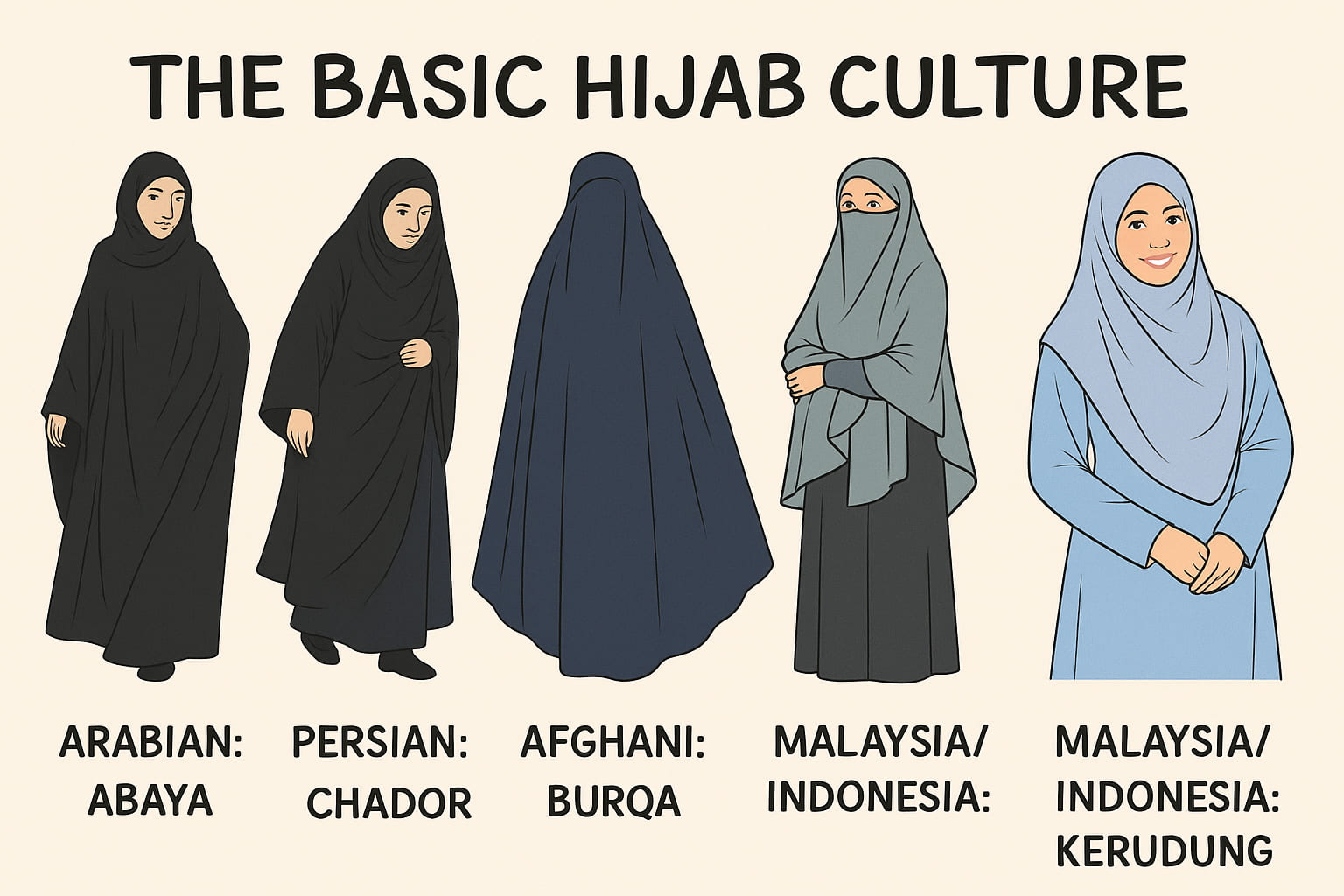
The terms hijab, burka, and niqab are often used interchangeably, but they represent distinct forms of modest dress within Muslim traditions. Understanding the real differences is essential for respectful discussions and accurate representations of Islamic attire.
What is a Hijab?
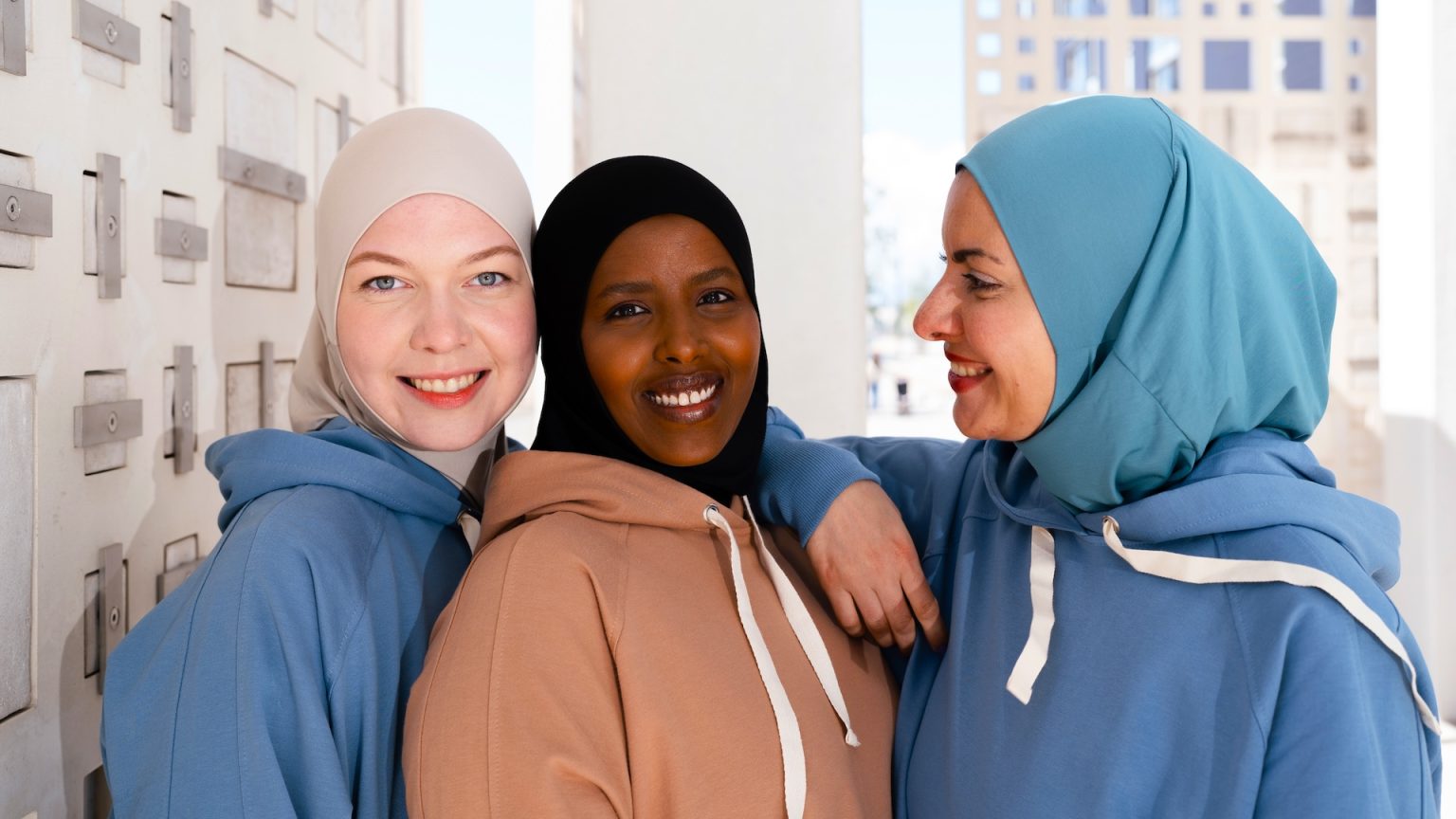
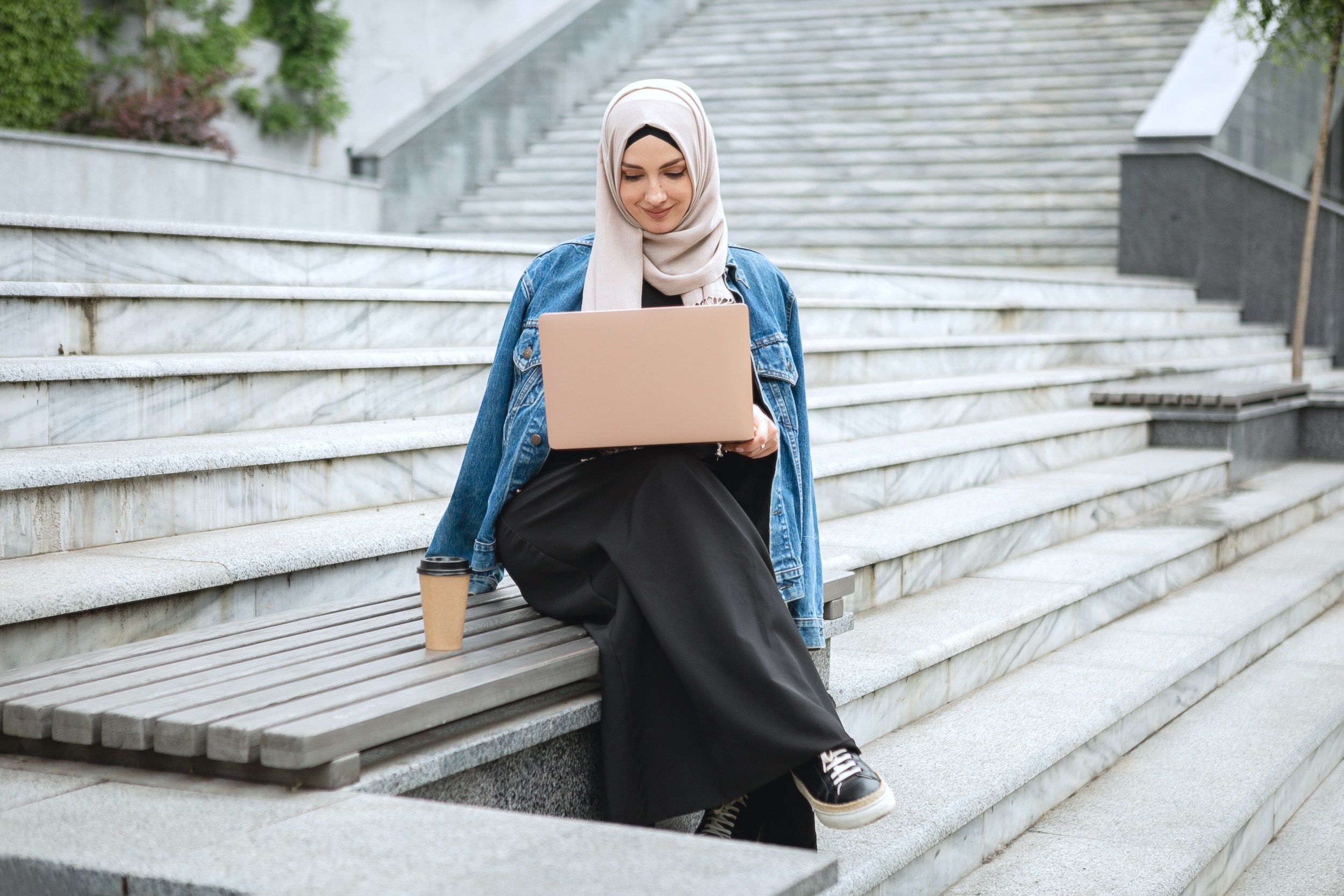
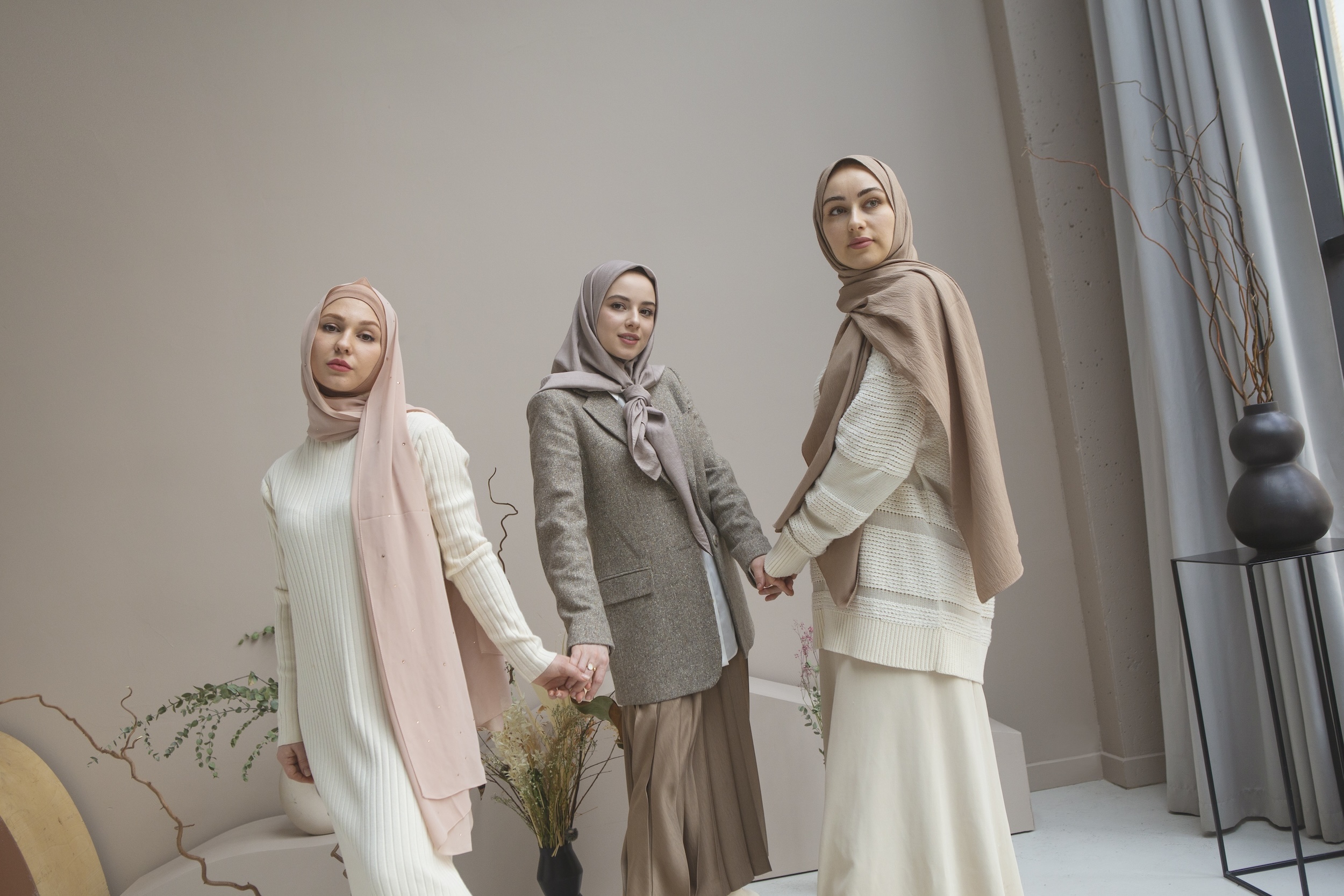
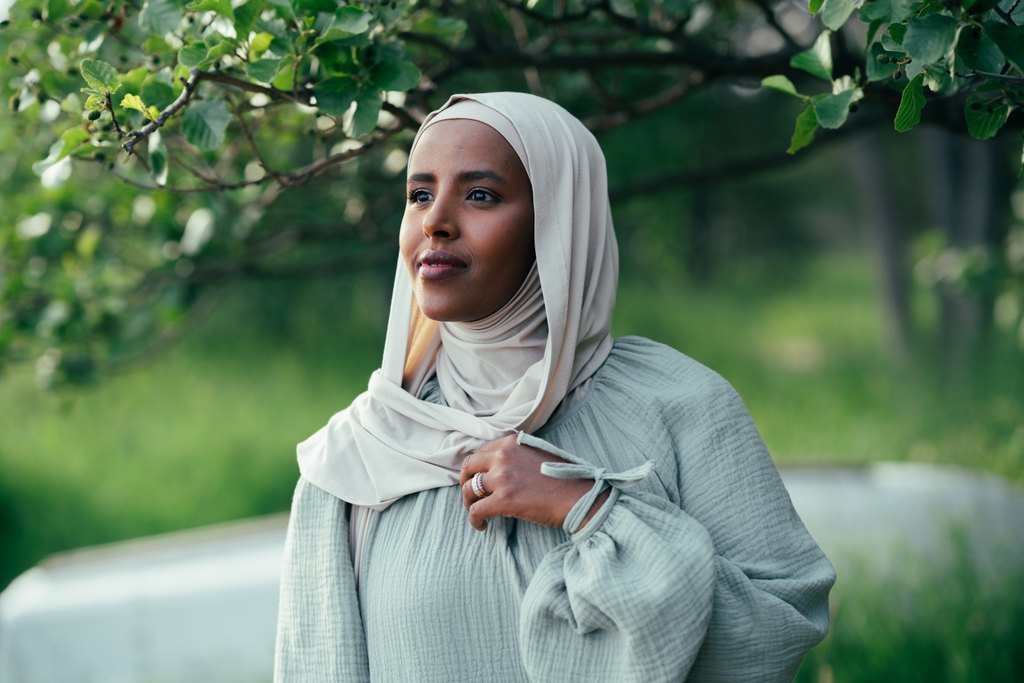
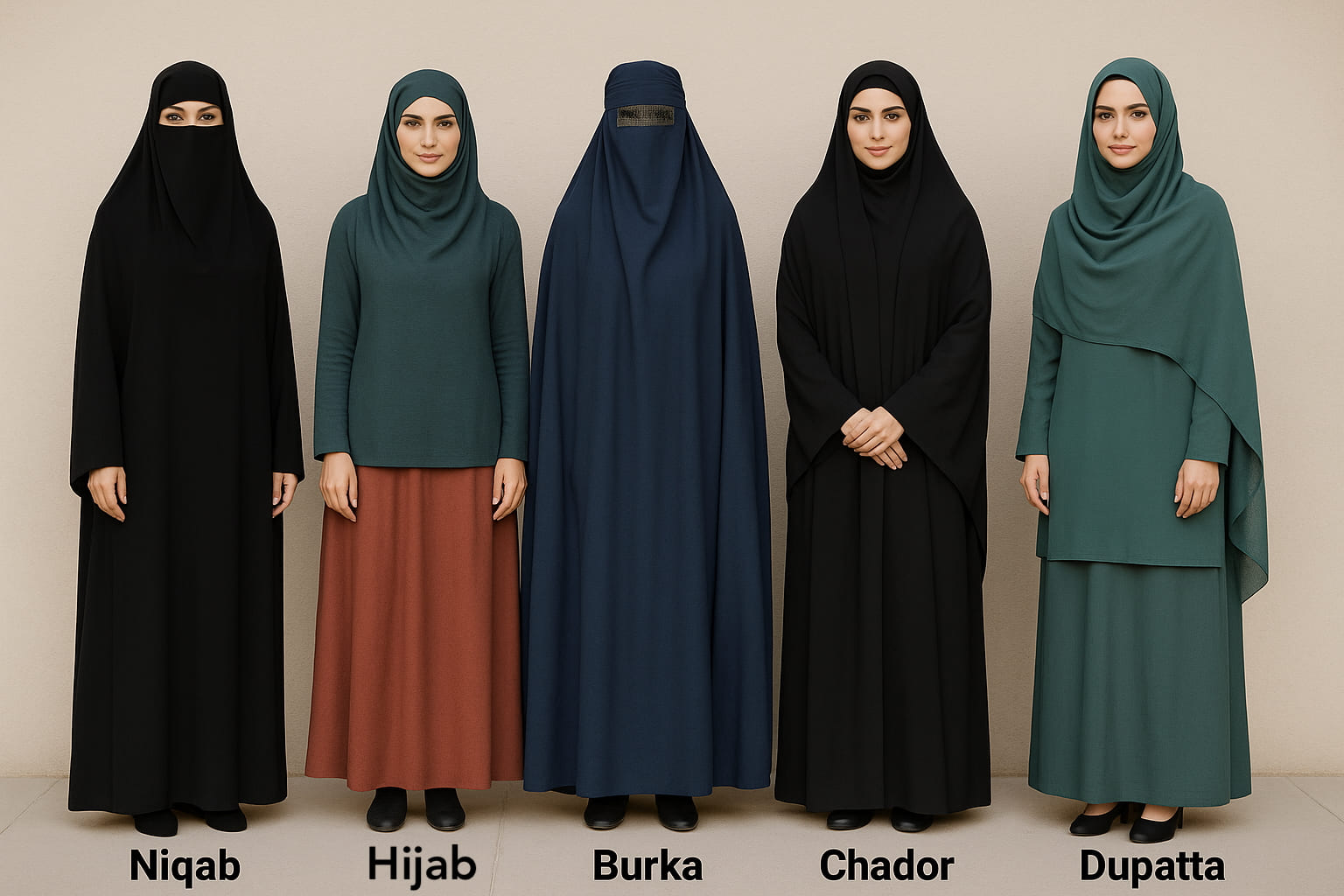
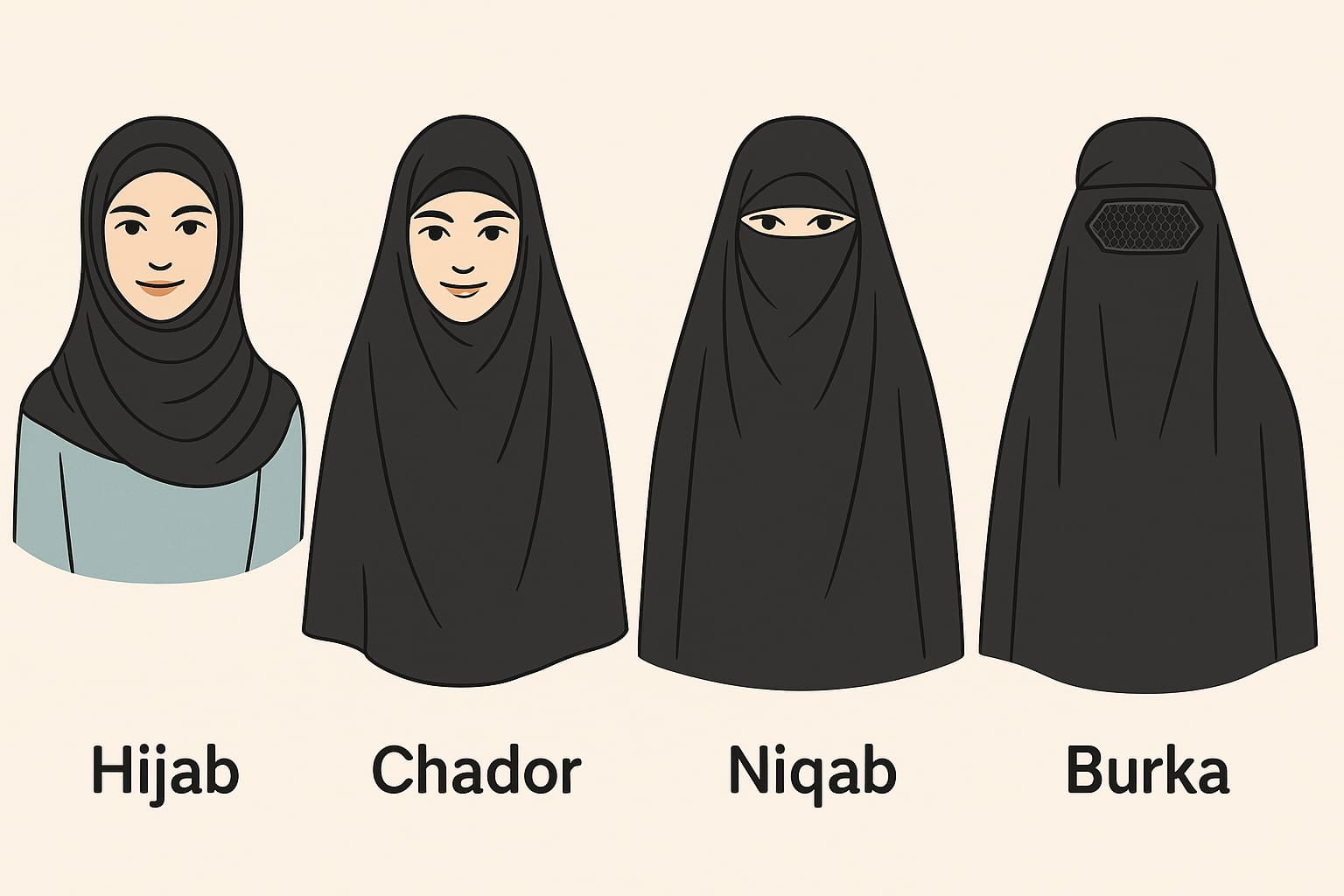
A hijab refers broadly to modest clothing practices in Islam, but in everyday language, it usually means a headscarf that covers the hair, neck, and sometimes the shoulders while leaving the face completely visible. A hijab allows for both modesty and individuality, coming in a wide range of styles, colours, and materials to suit various cultural and personal preferences.
What is a Burka?
A burka is the most concealing form of Islamic dress, covering the entire body, including the face. Typically, a mesh screen is sewn across the eye area to allow the wearer to see while remaining completely hidden from view. The burka hijab concept arises when people casually refer to a burka as a “hijab,” although technically, the burka is a separate, more extensive garment aimed at full-body concealment.
What is a Niqab?
A niqab covers the face entirely except for the eyes. Unlike the burka, the niqab usually requires pairing with a long robe, such as an abaya, to achieve full-body coverage.
In comparisons such as niqab vs hijab, it is important to note that while a hijab leaves the face open, the niqab intentionally conceals most facial features for added modesty.
Burka and Niqab – Similar Purposes, Different Forms
While the burka and niqab differ in design, they serve a similar purpose: providing maximum modesty according to personal or cultural interpretations of Islamic teachings.
In everyday conversation, particularly in non-Muslim societies, the distinction may be blurred, with burka vs hijab comparisons often misrepresenting the true differences.
Exploring Styles – Printed, Silk, Crinkle, and Opaque Chiffon Hijabs
Feature
Hijab
Burka
Coverage
Hair, neck, sometimes shoulders
Entire body, including face
Face visibility
Fully visible
Fully covered (with mesh screen for eyes)
Purpose
Modesty with open interaction
Complete privacy and concealment
Popular regions
Worldwide
Afghanistan, parts of Pakistan
The hijab vs burka debate is often shaped by cultural, regional, and personal factors. Some women choose the hijab for its balance between modesty and engagement, while others opt for the burka to practice a deeper interpretation of modesty.
Understanding the true meaning behind hijab, burka, and niqab helps foster respectful discussions about Muslim women’s clothing choices. While the burka hijab phrase may cause some confusion, recognising the specific characteristics of each garment — and their unique roles in expressing modesty — is essential. Whether discussing burka vs hijab or exploring the differences between niqab vs hijab, knowledge leads to empathy and better cross-cultural understanding.
What do the hijab, niqab, and other types of coverings have in common?
Almost all of them rely on an undercap (known by different names across countries and languages) to secure the hair and ensure comfortable wear.
One of the best models available on the market today is the Supreme Hold Hijab — a design thoughtfully created to meet the real needs of Muslim women.
It combines a secure fit, lightweight feel, and elegant appearance. The Supreme Hold Hijab doesn’t slip, doesn’t require pins, and is perfect for everyday wear, work, sports, and travel.
Most Searched Hijab Styles Online
In today’s digital era, online searches for hijab styles reflect not only cultural diversity but also the evolving fashion preferences of modest dressers. From practical everyday essentials to luxurious statement pieces, the variety of hijab styles sought online illustrates the dynamic world of modern modest fashion.
These varied styles reflect the evolving tastes and practical needs of modest dressers worldwide, blending comfort, coverage, and a forward-thinking approach to fashion.