
From Tradition to the Runway: A Century of Modest Fashion
Modest fashion is not merely clothing — it is a philosophy, a way of life grounded in values of modesty, self-respect, and deep connection to tradition. Yet it has never been static. Over the past hundred years, Muslim women’s style has evolved as dynamically as the world around it — from the quiet mountain villages of Central Asia to the dazzling lights of global fashion weeks.
Early 20th Century: Clothing as a Cultural Code
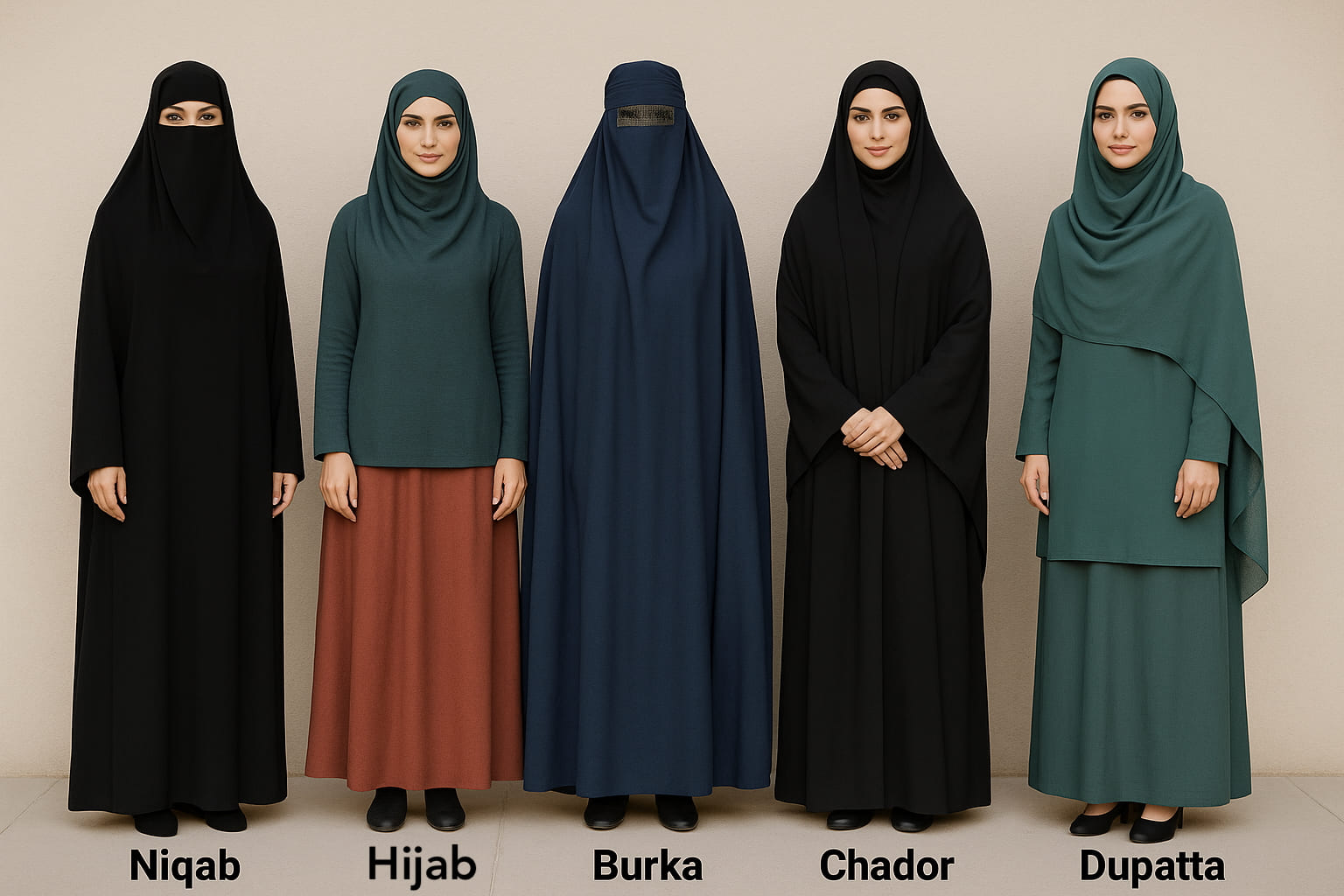
In the early decades of the 20th century, Muslim women’s attire was deeply intertwined with local traditions, climate, and social structures. In the Maghreb, women wore layered haiks and embroidered kaftans; in the Middle East, abayas and flowing thobes dominated; while in Central Asia, silk tunics and trousers were paired with elaborately tied headscarves. Each region had its own distinct fabrics, colours, and ornamentation. Every embroidery motif or cut of fabric carried meaning — signalling not only a woman’s region of origin but also her marital status, social class, and sometimes even her clan.
Mid-Century: The Influence of Urbanisation and Migration
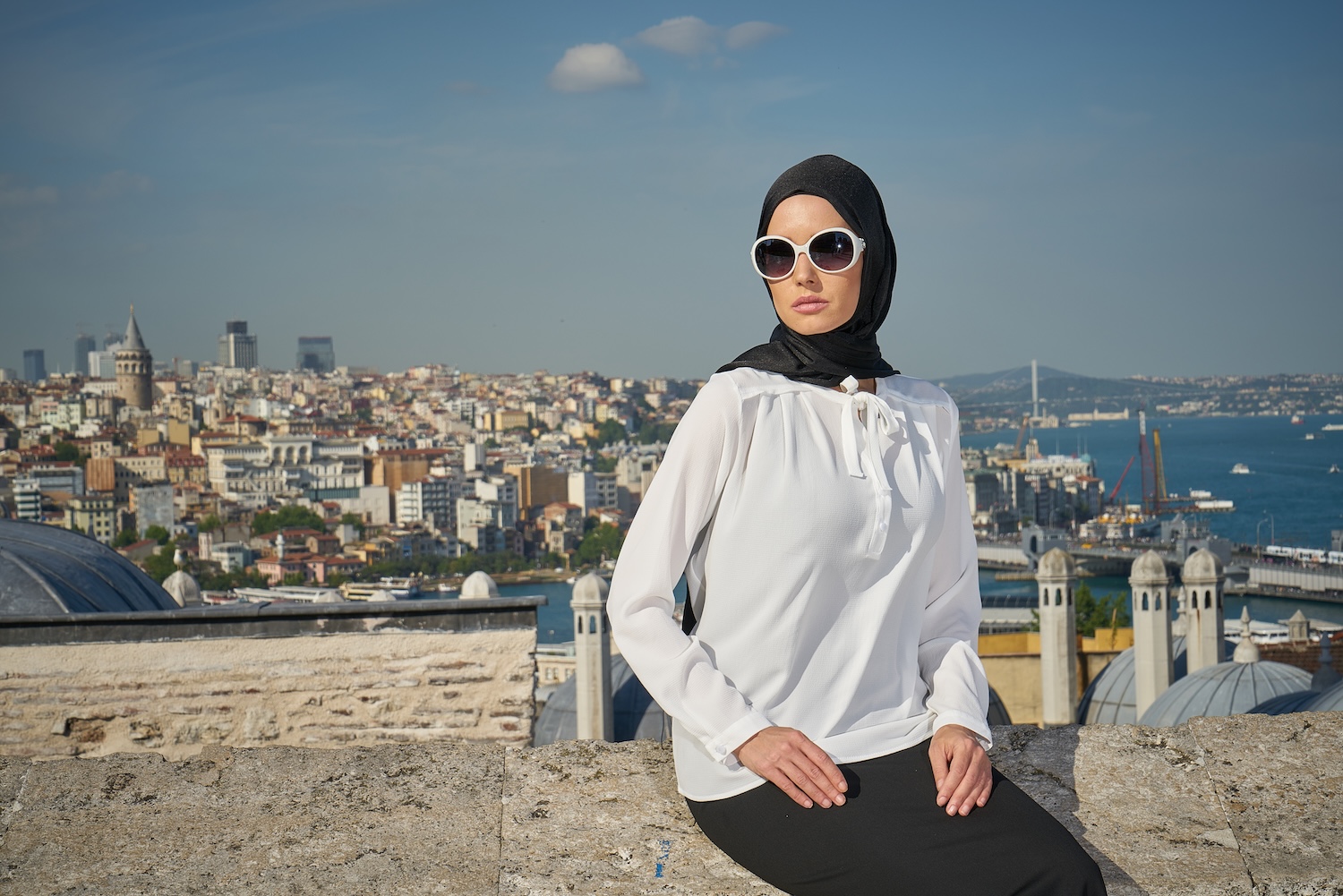
The mid-20th century brought rapid urbanisation, industrialisation, and migration. Women who moved from rural villages to bustling cities began adapting their wardrobes. Traditional long dresses and cloaks were paired with tailored coats, blouses, and skirts inspired by European fashion. Fabrics shifted from heavy wool and handwoven cotton to lighter industrial textiles like synthetic silk and jersey. Head coverings also evolved: in cosmopolitan centres like Cairo, Istanbul, and Jakarta, new styles of hijab emerged, often reflecting the wearer’s profession, education, and access to modern trends.
The Late 20th Century: Global Awareness
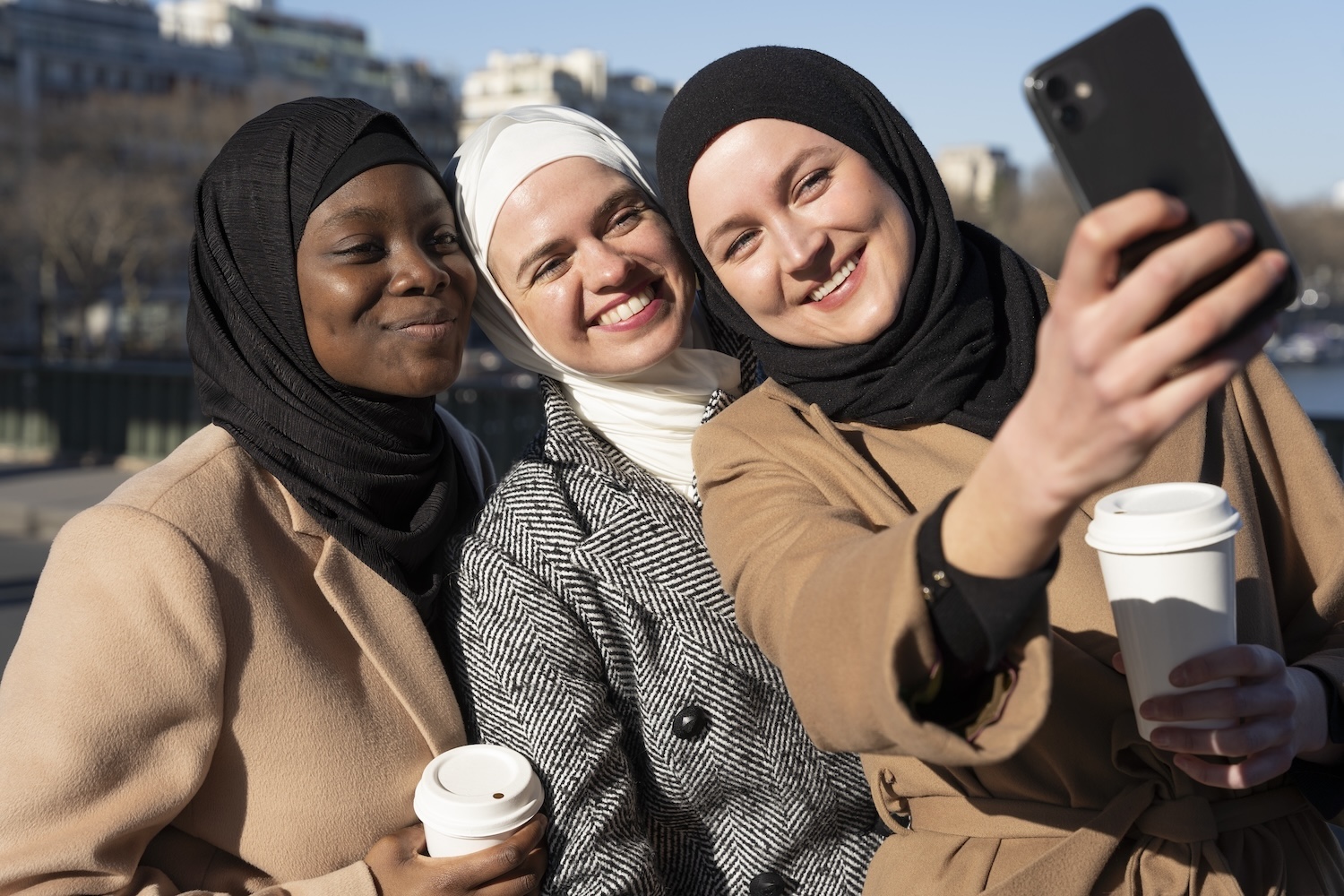
By the late 20th century, Muslim communities around the world were navigating the balance between modern lifestyles and traditional dress codes. Political changes in the Middle East, the Iranian Revolution, and debates on women’s dress in secular states like Turkey brought modest fashion into the public eye. At the same time, the rise of Muslim diasporas in Europe and North America led to creative fusions — for example, pairing a traditional jilbab with a Western trench coat or wearing a silk hijab with jeans and sneakers.
The 21st Century: Modest Fashion as an Industry
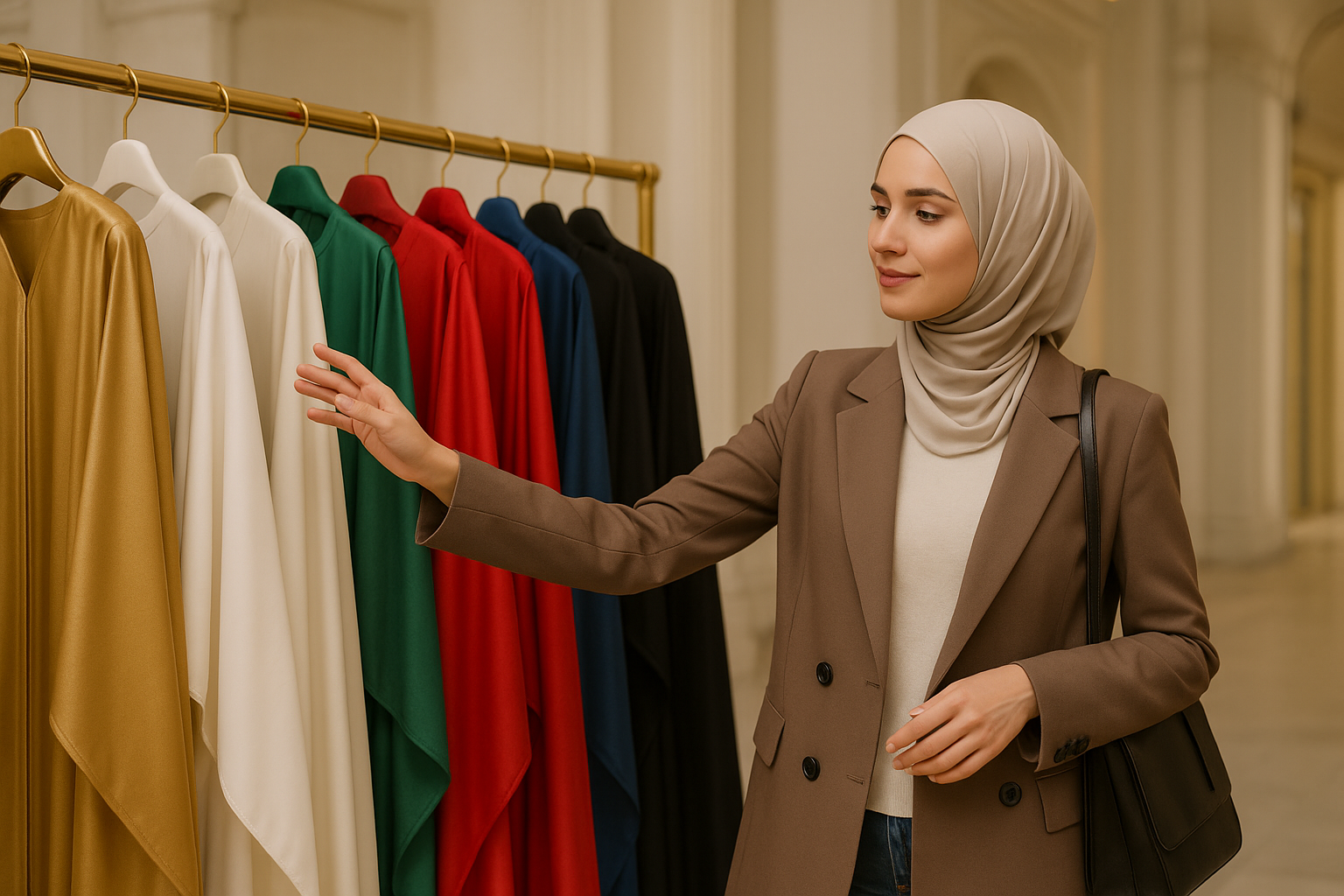
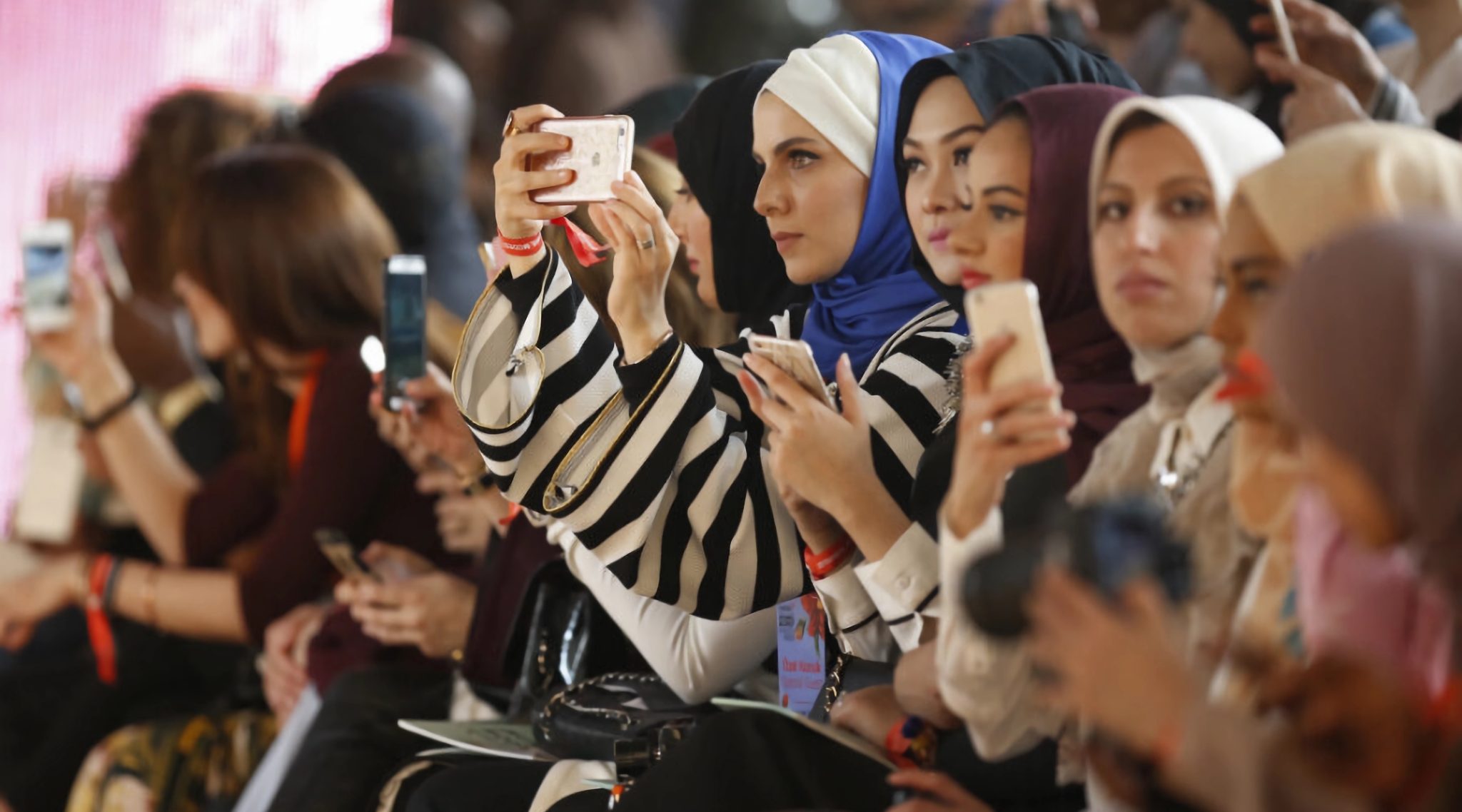
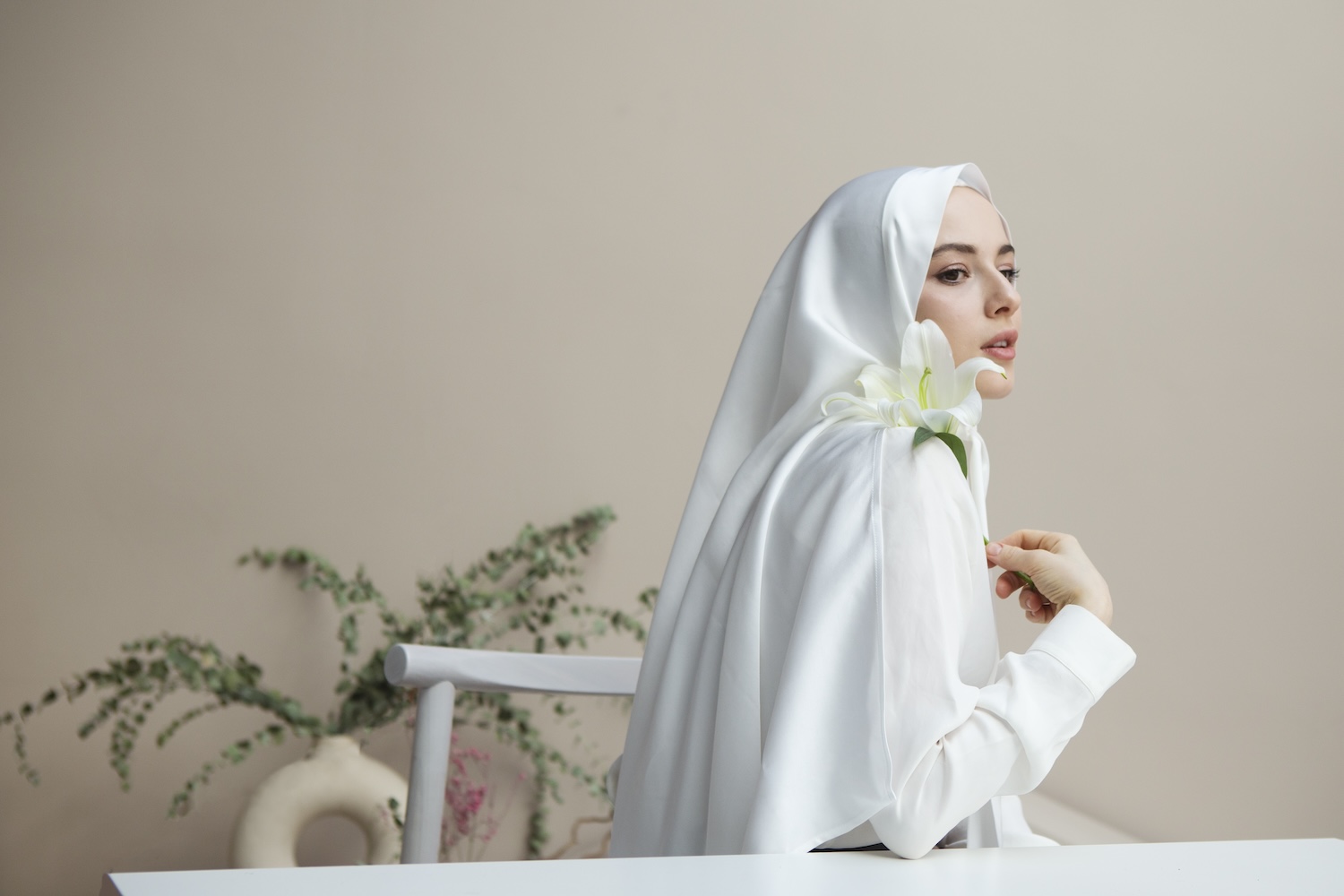
The 2000s marked a turning point. Modest fashion transformed from a local cultural expression into a recognised global industry. Designers in Turkey, Malaysia, the UAE, Indonesia, and beyond began launching entire collections that adhered to Islamic dress principles while embracing high-fashion aesthetics. The tesettür fashion movement in Turkey, luxury abaya brands in Dubai, and hijab-friendly activewear lines in the US all demonstrated that modest clothing could be as innovative and trend-conscious as any other sector of fashion. Fashion weeks in London, Dubai, and Jakarta now feature modest fashion segments, with models in hijabs walking the same runways as those in haute couture gowns.
Today: A Global Style with a Local Soul
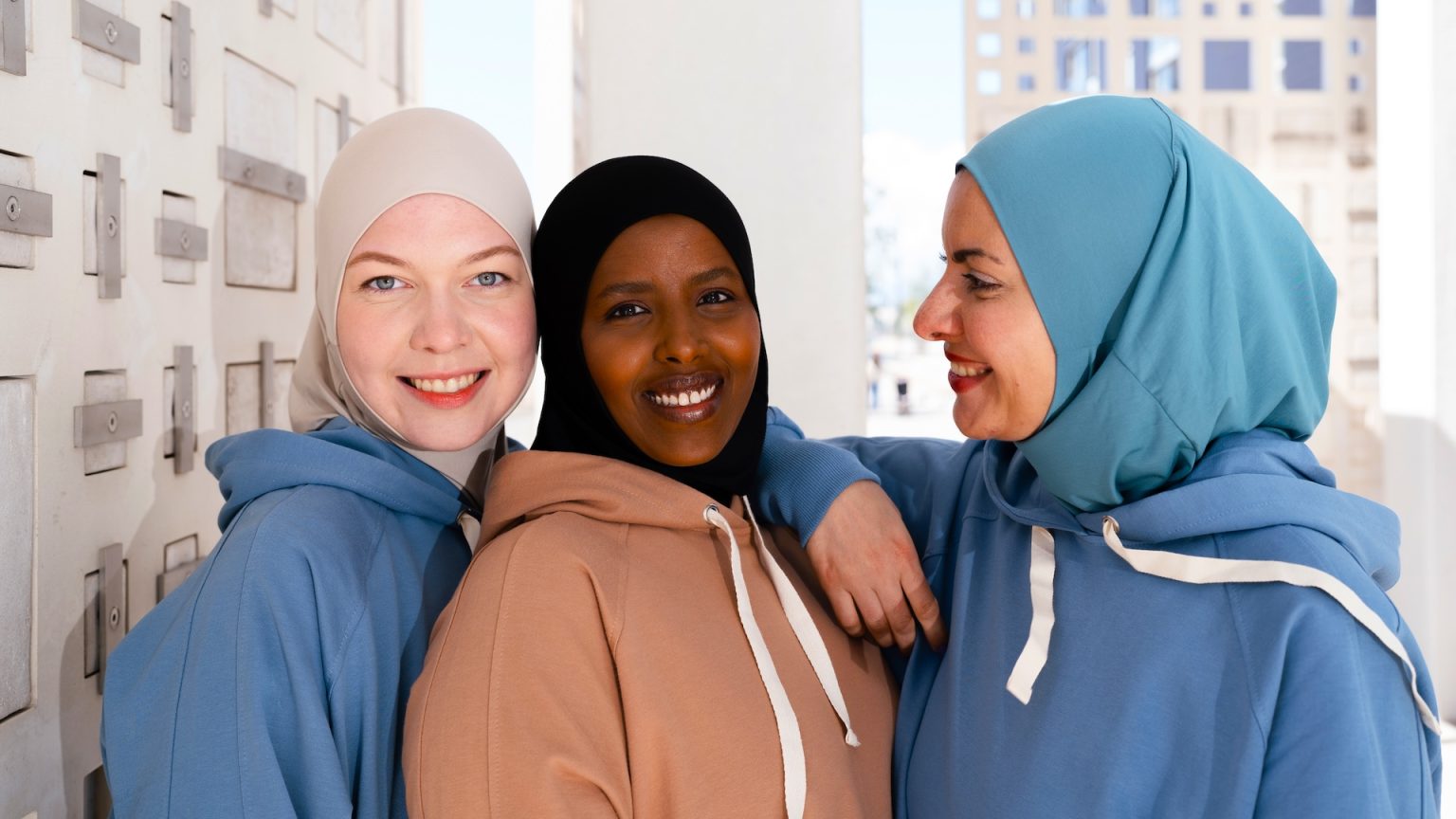
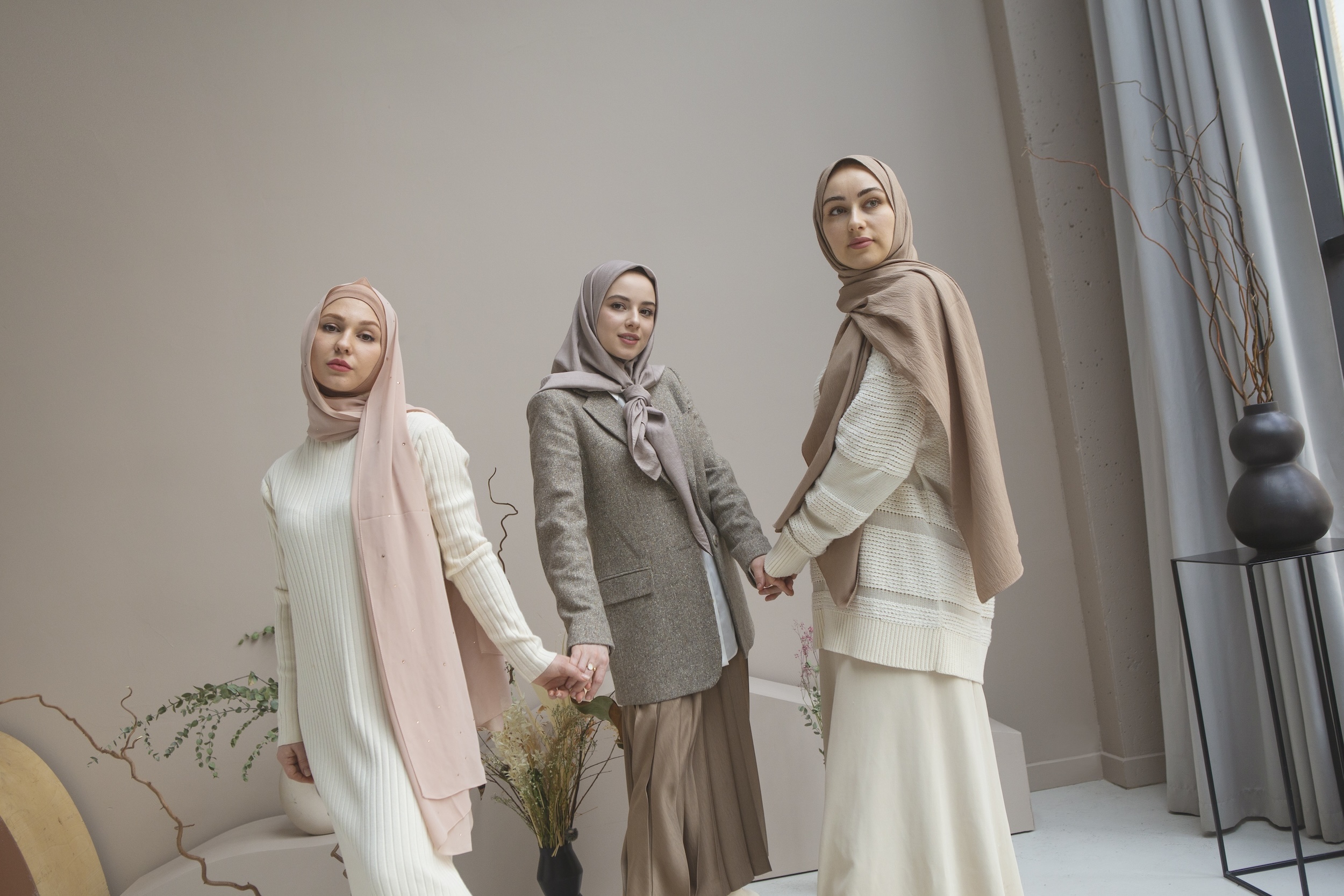
In today’s interconnected world, a Muslim woman in London might combine a Moroccan-style kaftan with Italian leather boots, while her counterpart in Jakarta wears a modern abaya in pastel tones inspired by Korean minimalism. Social media platforms like Instagram, Pinterest, and TikTok have become powerful spaces for women to share their styles, exchange ideas, and build transnational fashion communities.
Despite these changes, the essence remains the same: modest fashion is about beauty without compromise, self-expression without sacrificing faith or cultural identity. It is a living art form — one where every stitch, drape, and colour carries a story, linking the past to the present and paving the way for future generations.