et-loader

Muslim Youth and Fashion: How They Are Transforming the Global Fashion Landscape

Muslim youth are playing an increasingly important role in the global fashion industry, making a significant impact on the modern fashion landscape. Their contribution is not only diverse but also deeply meaningful, while respecting cultural and religious norms. Let’s explore how Muslim youth are reshaping global fashion and style.

1. Fashion Activism and Self-Expression

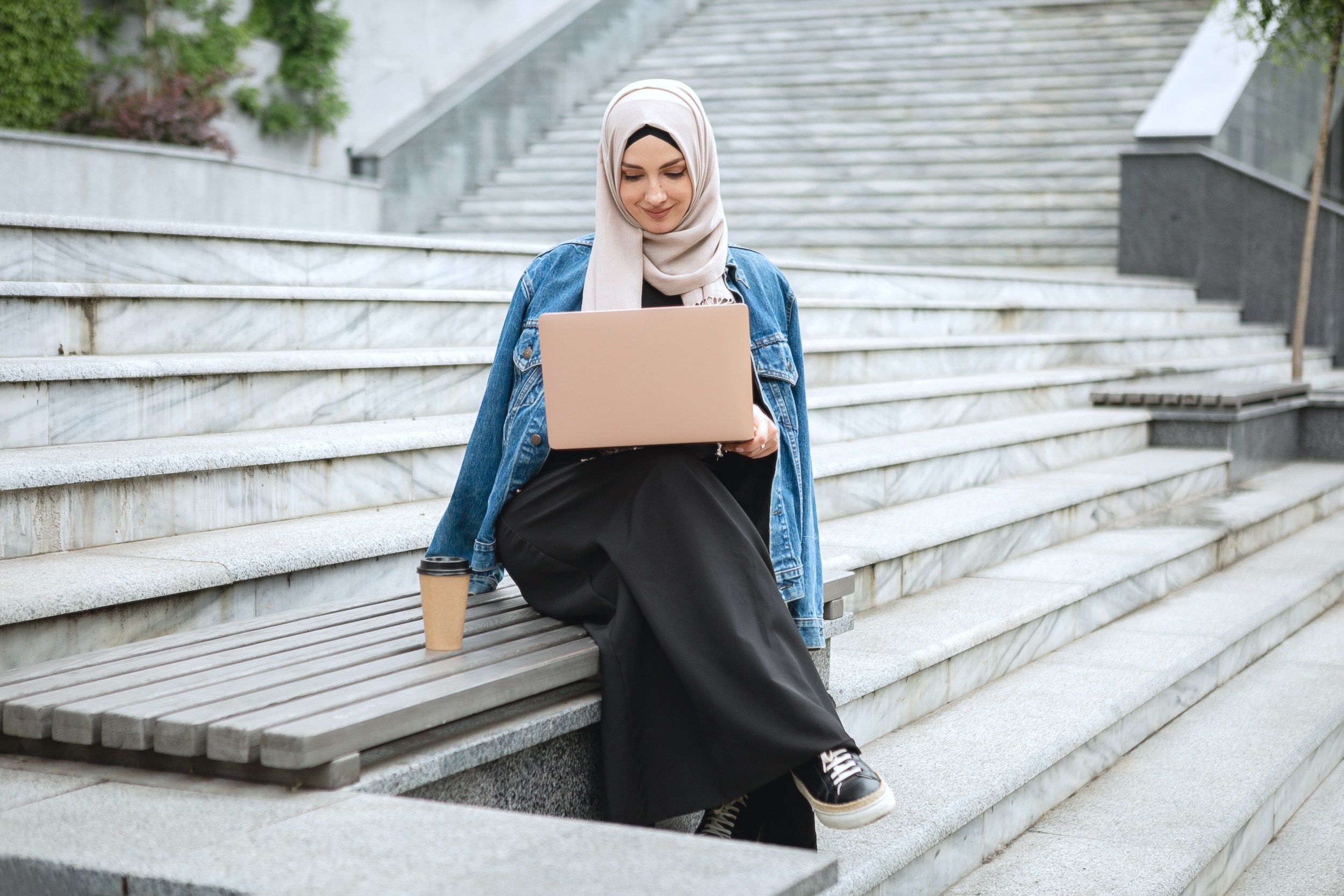
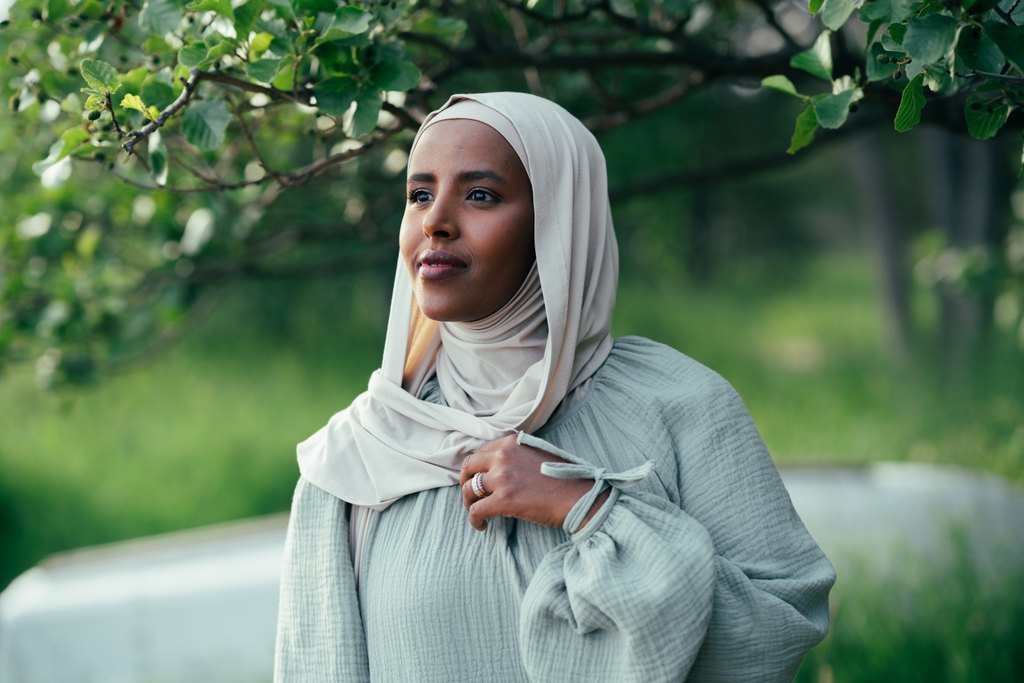
Young Muslims actively use social media and blogs as a means of fashion-related self-expression. They create popular accounts on Instagram, TikTok, and YouTube, where they share their personal style, tips, outfit combinations, and ideas for merging traditional and contemporary fashion. But it’s more than just fashion — it’s a conversation with society. Many speak up about their right to wear the hijab, talk about discrimination, and explore issues of identity.

This type of fashion activism helps to shift stereotypes about Muslim clothing and reveal its depth, diversity, and elegance. A new generation of role models is emerging — young, confident, creative, and stylish Muslims.

2. Muslim Fashion on Global Runways

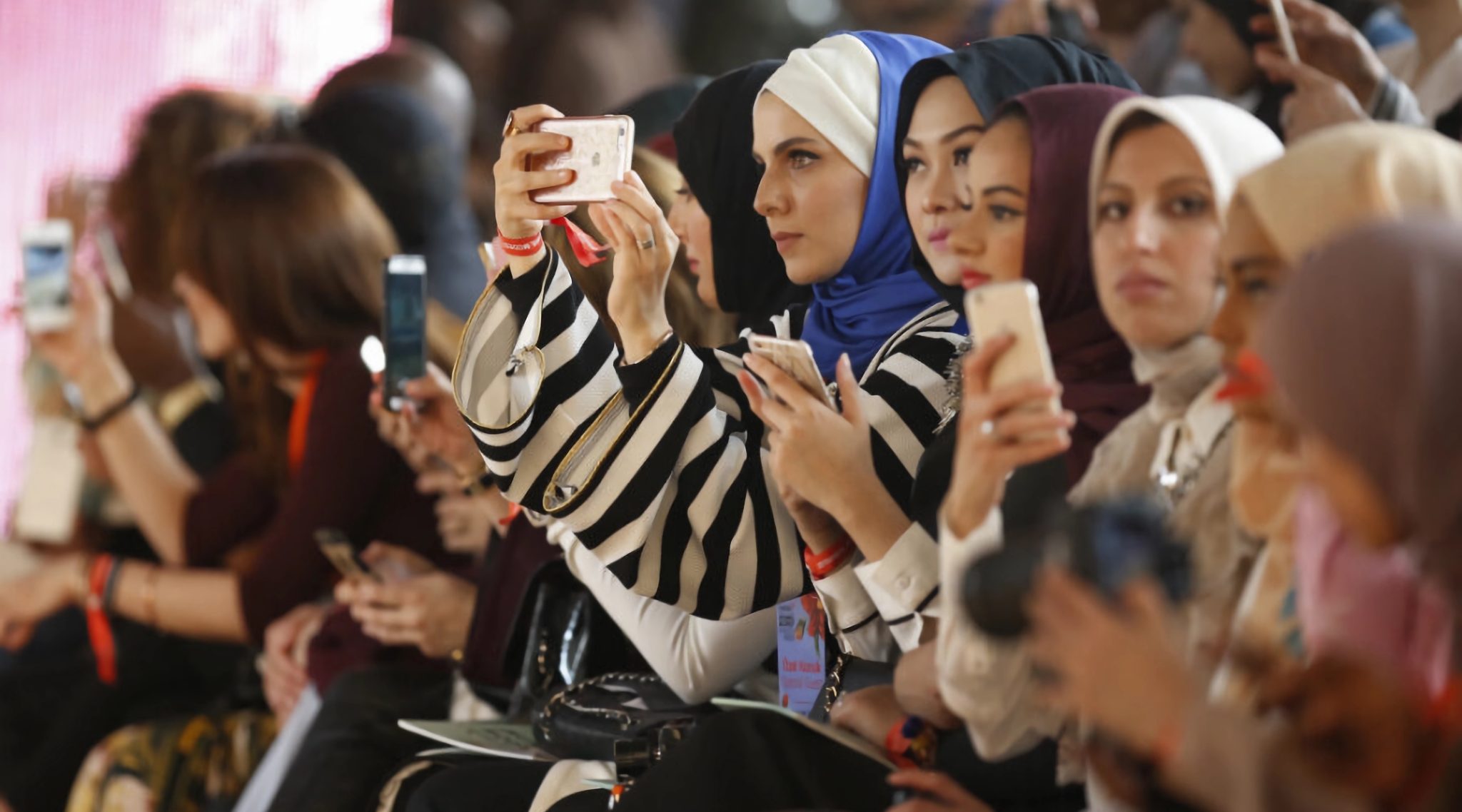
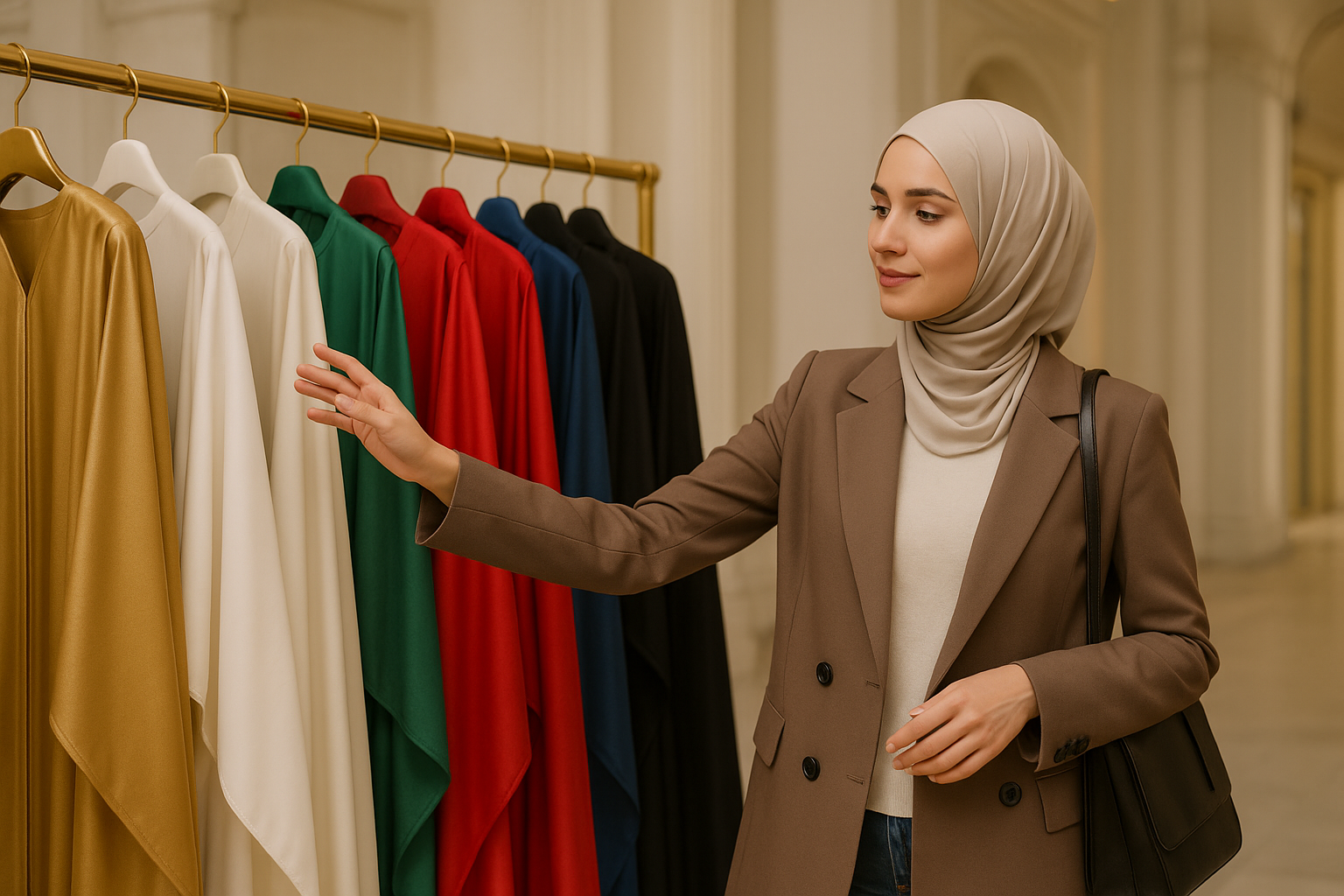
Muslim fashion is gaining visibility on global catwalks. Designers and major brands are increasingly incorporating elements inspired by Muslim culture — hijabs, maxi dresses, capes, tunics, and abayas. Model Halima Aden, who appeared on the covers of Vogue and walked at New York Fashion Week, has become a powerful symbol of change.

This reflects the industry’s move toward inclusivity and cultural representation in fashion.

3. Street Style and Muslim Youth

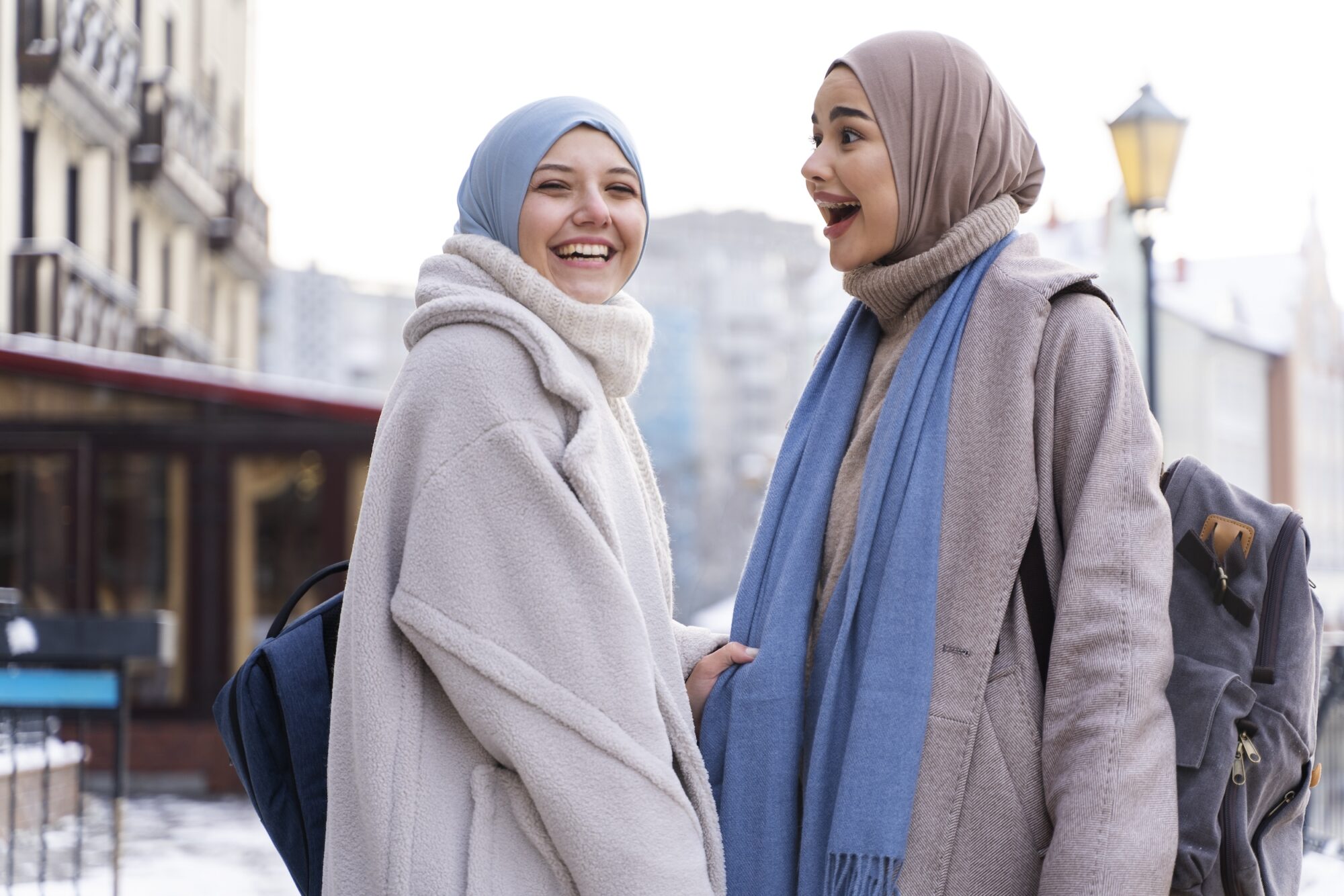
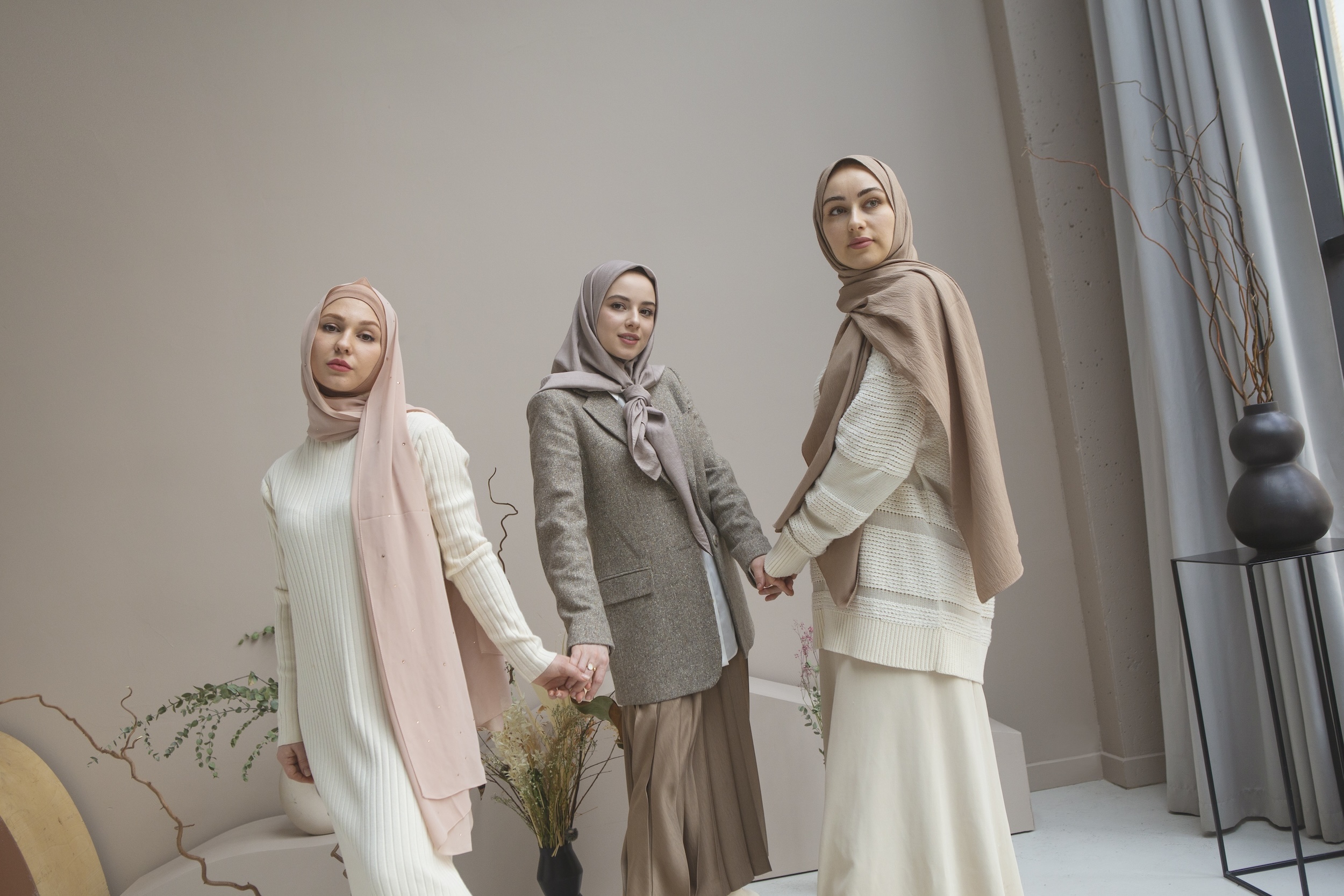
Muslim youth are also influencing street fashion. Their unique styles include bold hijabs, layered outfits, and standout accessories. This streetwear fuses modesty with comfort and individuality, offering a fresh take on urban fashion.

These looks are regularly featured in fashion magazines, street style blogs, and coverage from international fashion weeks. Muslim fashion is no longer seen as niche — it’s becoming part of the global trend conversation.

4. Ethics and Sustainability

Muslim youth place strong emphasis on ethics and sustainability in fashion. They support local brands, inquire about the origins of materials, and care about fair labor practices. Increasingly, young shoppers seek halal-certified clothing, natural fabrics, and ethical production.

This mindset is helping to shift the broader fashion world away from fast fashion and toward conscious, respectful consumption.

5. Modern Interpretations of Tradition

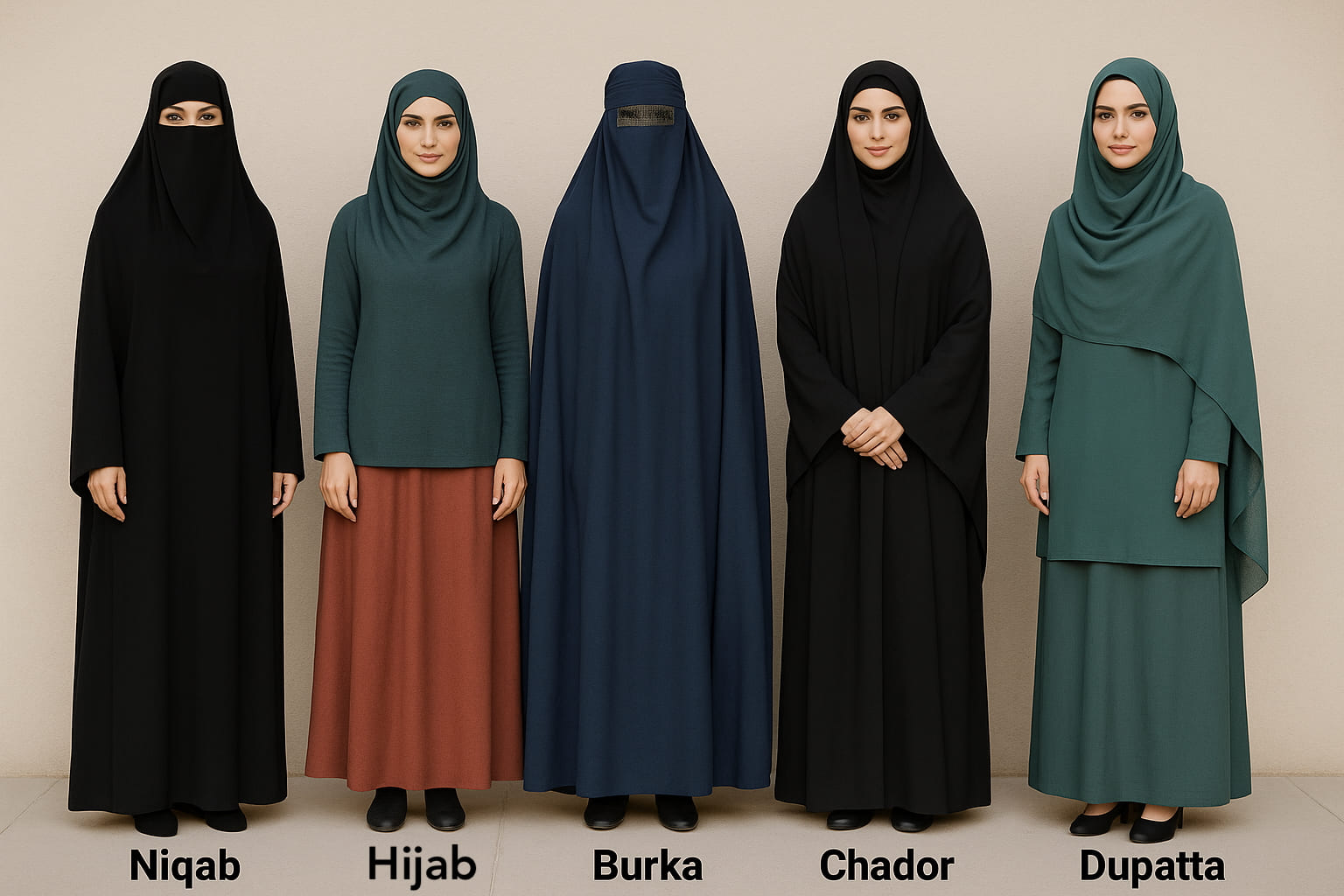
Young Muslims are reimagining traditional clothing. They reinvent classic silhouettes — hijabs, abayas, sultans, shalwars — adding new colors, textures, and personal touches. The result is a fashion dialogue between past and present, between heritage and creativity.

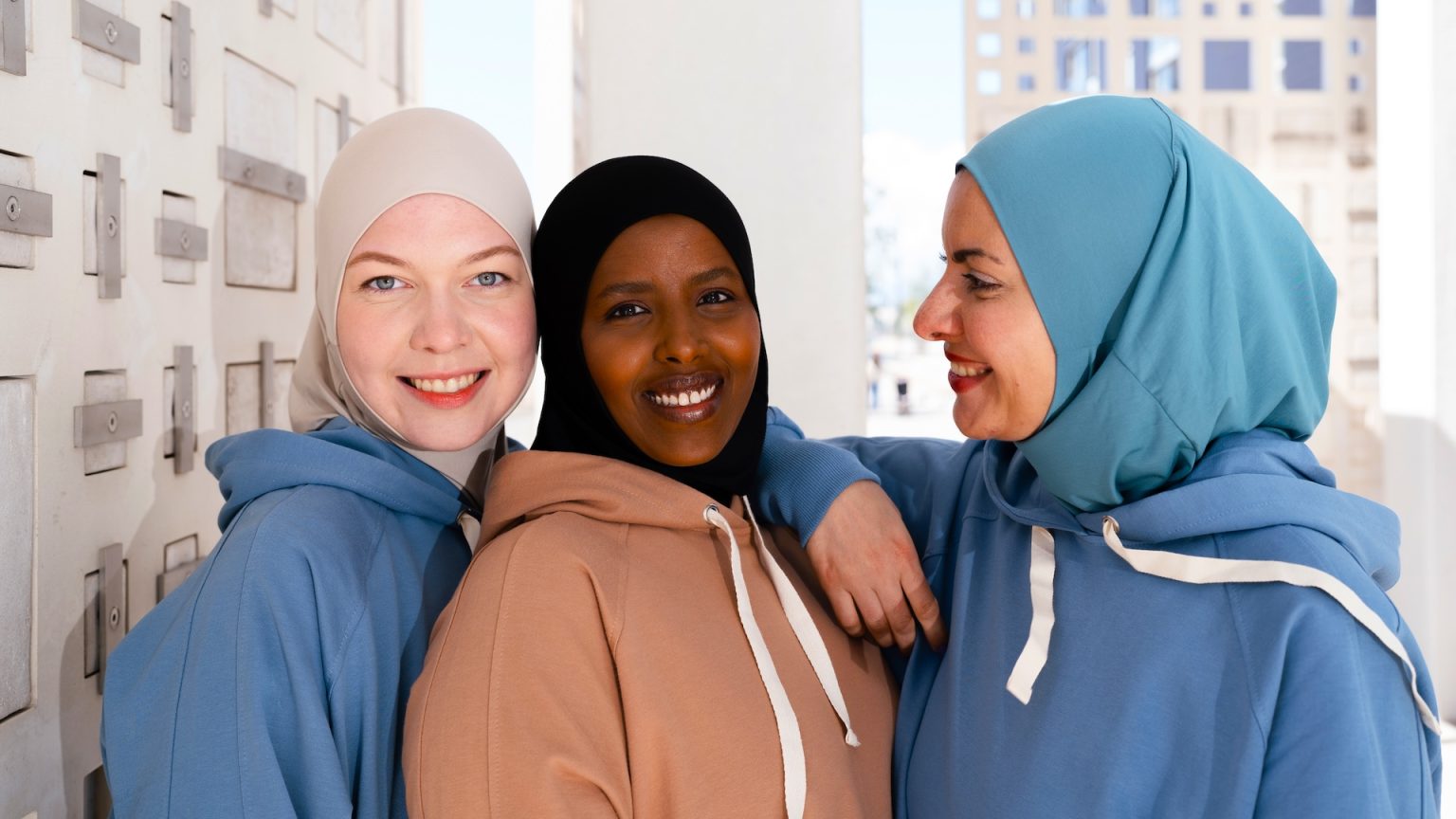
Muslim youth are actively reshaping the global fashion scene, adding cultural diversity, relevance, and purpose. Through fashion activism, sustainability, and a fresh creative vision, they have become essential voices in the modern fashion industry — not at the margins, but at the center of its evolution.